Kitchen
How to Choose the Best Microwave for Your Kitchen: Expert Guide for 2025

Microwaves are a staple in almost every kitchen today. But with so many models available, selecting the best microwave 2025 UK can be a challenge. From busy professionals who rely on quick meals to families that need a reliable appliance for everyday cooking, finding the right microwave is crucial. Whether you’re replacing an old model or making your first purchase, it’s important to choose a microwave that suits your cooking habits. You also need to consider your kitchen size and energy preferences. This guide will help you understand what to look for when choosing the best microwave 2025 UK, from key features to design trends, so you can make a smart and informed purchase.

Toshiba Microwave with multile use

Types of Microwaves: Solo, Grill, or Convection?

The first and most important step in choosing a microwave is understanding the various types available and identifying which type best suits your cooking needs. There are three main types of microwave ovens: solo, grill, and convection. Solo microwaves are basic models typically used for simple tasks such as reheating food and defrosting frozen items. They are ideal for individuals, students, or small households that don’t require advanced cooking functions. Grill microwaves include the features of a solo microwave but also come equipped with a heating element that allows you to grill food, making them a suitable option for those who want to crisp or brown their dishes. Convection microwaves, on the other hand, are the most versatile. They combine standard microwave functionality with a fan and a heating element to circulate hot air, allowing you to bake, roast, and cook dishes just like in a traditional oven. For those who enjoy baking or preparing elaborate meals, a convection microwave is often the most suitable and especially if you’re shopping for the best microwave 2025 UK that offers multiple functions in one appliance.

Key Features to Look for in the Best Microwave Oven in 2025

Once you’ve chosen the type of microwave that aligns with your culinary habits, the next factor to consider is the range of features available. Modern microwave ovens come equipped with numerous features that enhance convenience and improve cooking performance. Auto-cook menus, for example, simplify the process by providing preset cooking times and power levels for various dishes. This is particularly useful for beginners or those looking to save time.

Sensor cooking technology is another advanced feature that automatically adjusts cooking time based on the moisture levels in the food. This ensures even and accurate results. Many models also come with adjustable power levels, allowing you to control the intensity of the heat depending on the dish. For families with young children, a child lock function is an important safety feature. Inverter technology, increasingly popular in 2025 models, delivers a steady stream of power rather than cycling on and off. This improves cooking consistency and helps reduce energy use. While these features may increase the price, they can significantly improve functionality and user experience, especially if you use your microwave frequently.

Choosing the Right Size and Capacity for Your Kitchen

Another crucial consideration is the size and capacity of the microwave. Microwaves are available in a wide range of sizes, typically measured in litres. Choosing the right capacity depends on the size of your household and the type of meals you prepare. A compact microwave with a capacity of around 17 to 20 litres is sufficient for individuals or couples who use the microwave occasionally. Medium-sized models, ranging from 21 to 30 litres, are ideal for small families or those who use the appliance more regularly. For larger families or cooking enthusiasts who frequently prepare full meals, a microwave with a capacity of 30 litres or more is recommended. In addition to internal capacity, you should also consider the external dimensions of the appliance. It’s also wise to check whether the microwave can accommodate your regular cookware, such as large plates or casserole dishes, to avoid any inconvenience post-purchase.

Energy Efficiency and Microwave Design Trends in 2025

Design and energy efficiency are two more factors that play a significant role when selecting the best microwave for your kitchen. With the growing emphasis on sustainable living and energy conservation, many consumers now seek appliances that consume less electricity without compromising on performance. Look for models that offer energy-efficient features such as inverter technology and eco mode, which reduce power usage when the microwave is idle. Some microwaves also come with an energy rating label, helping buyers make environmentally conscious decisions. From a design perspective, microwaves now come in a variety of colours, finishes, and door styles to complement modern kitchen aesthetics. Stainless steel exteriors are popular for their durability and sleek look, while touch control panels and LED displays add a high-tech feel. Whether you prefer a drop-down oven-style door or a traditional side-opening design, there are plenty of options to match both form and function.

Trusted Microwave Brands to Consider in 2025

Brand reputation can make a significant difference in both performance and customer satisfaction. In 2025, several well-established brands will continue to dominate the microwave market due to their reliability, innovation, and customer service. Toshiba remains a top choice thanks to its advanced inverter technology and wide range of models suitable for all needs. Samsung is known for sleek, modern designs and smart features like sensor cooking and Wi-Fi connectivity. Sharp offers budget-friendly options with strong performance, making them a go-to for solo and grill models. Bosch continues to deliver premium convection microwaves with high-end features ideal for experienced home chefs. For those looking for affordable and compact models, Russell Hobbs provides a stylish range suitable for students or small households. Always remember to read customer reviews, compare warranties, and evaluate after-sales support before finalising your purchase.

Choosing the best microwave for your kitchen in 2025 is not simply about selecting the most expensive or the most feature-rich option. It’s about understanding your needs, the space you have available, and the types of meals you prepare regularly. A solo microwave may be perfect for a single person or a student living in a small flat, while a convection microwave with grill functionality may be more appropriate for a busy family that values versatility and speed. Consider the features that will benefit you, auto-cook menus, inverter technology, sensor cooking, and don’t underestimate the importance of capacity and size. Energy efficiency and aesthetics should also align with your values and home style. With this comprehensive guide, you can now navigate the world of microwaves with confidence and choose the best microwave 2025 UK that not only meets your expectations but enhances your daily kitchen routine for years to come.

Kitchen
Microwave vs. Toaster Oven: The Ultimate Battle for the Best Quick Meal

Side-by-side view of a microwave oven and a toaster oven on a modern kitchen counter, ideal for comparing quick meal appliances

Choosing between a microwave and a toaster oven can be challenging when speed, space, and taste all matter. Some people cannot live without the effortless convenience of a microwave, while others swear by the crispy finish a toaster oven gives. In this comparison, we dive into microwave versus toaster oven, explore the best toaster ovens of 2025, and consider quick cooking solutions fit for compact kitchens or dorm rooms. Whether you live in a studio apartment or share kitchen space at college, this guide offers practical insights to help you cook smarter.

How Microwaves and Toaster Ovens Work Differently

Microwave ovens rely on electromagnetic waves to gently heat water molecules inside food, completing cooking from the inside outward. That is why reheating coffee or steaming vegetables happens almost instantly. One downside is a lack of crisp or texture, which microwave users know well. Uneven heating can also be an issue, leading to unexpected cold spots or superheated pockets of liquid. Press ‘reheat’ with caution.

Toaster ovens, in comparison, generate heat with internal heating elements that roast, bake, and crisp food from the outside in. That means pizzas with golden cheese, roasted vegetables with caramelised edges, and freshly toasted bread with an inviting crunch. Toaster ovens take longer to preheat and cook, and they do consume more energy. Yet for added texture and cooking versatility, many find them invaluable. Toaster ovens generally deliver a crispier texture for baked and roasted items. According to tests by Consumer Reports, certain models excel at producing consistent browning and faster cook times.

Daily Use: When to Reach for Each Appliance

If your goal is the fastest meal possible with minimal fuss, reach for the microwave. It excels at reheating pre-cooked meals, warming beverages, or cooking items like oatmeal or soup in minutes. The convenience of popping food in and hitting ‘start’ makes morning routines smoother.

Yet when you crave flavor and biting texture, a toaster oven delivers. Baked cookies, garlic bread, roasted roots, or crisp reheated pizza all benefit from that dry heat. For people who prefer their food caramelized rather than soggy, the toaster oven appeals.

In kitchens where both appliances are accessible, many experience more flexibility. For instance, a microwave for daily convenience and a toaster oven for weekends or special dinners adds richness to home cooking.

2025’s Top Toaster Ovens You Should Know

This year’s toaster oven models have pushed the boundary between countertop convenience and cooking performance.

The Breville Joule Oven Air Fryer Pro makes headlines with its multifunction capabilities. Users enjoy crisp air fryer results, as well as roasting, baking, and even app-controlled precision. It represents a new generation of smart oven innovation.

Breville’s Smart Oven Air Fryer Pro also earns praise for reliability, consistent cooking, and robust presets. Serious Eats and The Strategist note its intuitive controls and top-quality finishes.

For those managing limited counter space or tighter budgets, the Panasonic FlashXpress stands out. It heats rapidly, toasts evenly, and fits even the smallest kitchens. Dorm students and city dwellers often choose it for those very reasons.

The Cuisinart Digital Air Fryer CTOA-130PC3 ranks high in terms of versatility. With enough room for a dozen chicken wings or a small casserole, it satisfies families that eat healthy air-fried meals without sacrificing speed or space.

Energy Usage, Cooking Times, and Operational Cost

According to Treehugger, consider a microwave rated between 700 and 1,300 watts. It typically heats leftovers in about two minutes. Energy usage remains relatively low when meal times are short.

Toaster ovens often use more power, ranging from 1,200 to 1,800 watts, and require a preheating time. That leads to higher energy consumption. That said, their cooking duration still falls within acceptable kitchen timelines, ten to fifteen minutes for many dishes. Compared to running a full oven, they remain efficient alternatives.

A convection microwave combines features to reduce cooking time slightly through circulation. Such hybrids offer crisp results more quickly and with moderate power needs.

For budgeting or eco-conscious cooking, microwaves offer superior efficiency. For flavor and texture, toaster ovens require more energy but not dramatically so.

Best Quick Cooking Solutions for Small Kitchens

When countertop space is limited, every square inch matters. Both microwave and toaster oven offer space-saving benefits since they fit compactly near the wall.

A convection microwave may give the best balance by combining reheating and crisping capabilities in one unit. As a single appliance with layered racks, some models serve as a mini oven.

Freestanding toaster ovens remain popular because they offer control over browning and airflow. Combined with hanging storage, rolling trays beneath cabinets, and stackable bins, they often fit comfortably in space-conscious kitchens.

For even smaller living, tabletop convection microwaves or toaster ovens offer cookable surfaces under vibrant overhead shelves. The Panasonic FlashXpress, for instance, weighs less than 10 pounds and sits neatly atop small counters.

Dorm Kitchen Tips for Students

College life means juggling assignments, roommates, and tight budgets. Dorm-approved microwaves are easy to use and rarely need ventilation. A ramen night or baked potato take no more than several minutes. That simplicity matters after a long day of classes.

If your residence hall allows them, compact toaster ovens, especially flash-heating models, open up culinary options without heating the dorm. Dorms without full kitchens suddenly become places for homemade snacks, air-fried fries, or reheated pizza with texture. For students who cook or bake, they provide independence.

Power usage and dorm regulations matter. Choose compact models under 1000 watts. The Panasonic FlashXpress fits that profile, draws less juice than complete oven units, and usually passes dorm approval.

Which One Should You Choose?

Selecting between microwave and toaster oven comes down to lifestyle and eating habits. If your priority is speed and simplicity, microwaves remain unbeatable. If savoring texture and flavor feels more important, a toaster oven transforms meals. For kitchens craving versatility blended with speed, convection microwaves or multiple compact appliances offer a satisfying compromise. Finally, for space-conscious or shared living arrangements, the smallest model that meets your cooking style wins.

Your Quick Cooking Companion

Comparing microwaves to toaster ovens. When comparing microwaves to toaster ovens, remember that both can earn their place. Use the microwave for quick meal preparation and added convenience. Let the toaster oven take over when crispiness enhances enjoyment. Hybrid models make this crossover easier than ever in 2025.

The key lies in recognizing your habits. Do you cook rice, soup, or oatmeal more than roasted vegetables? Is counter space limited? Are communal kitchens shared? Answer these questions and choose accordingly.
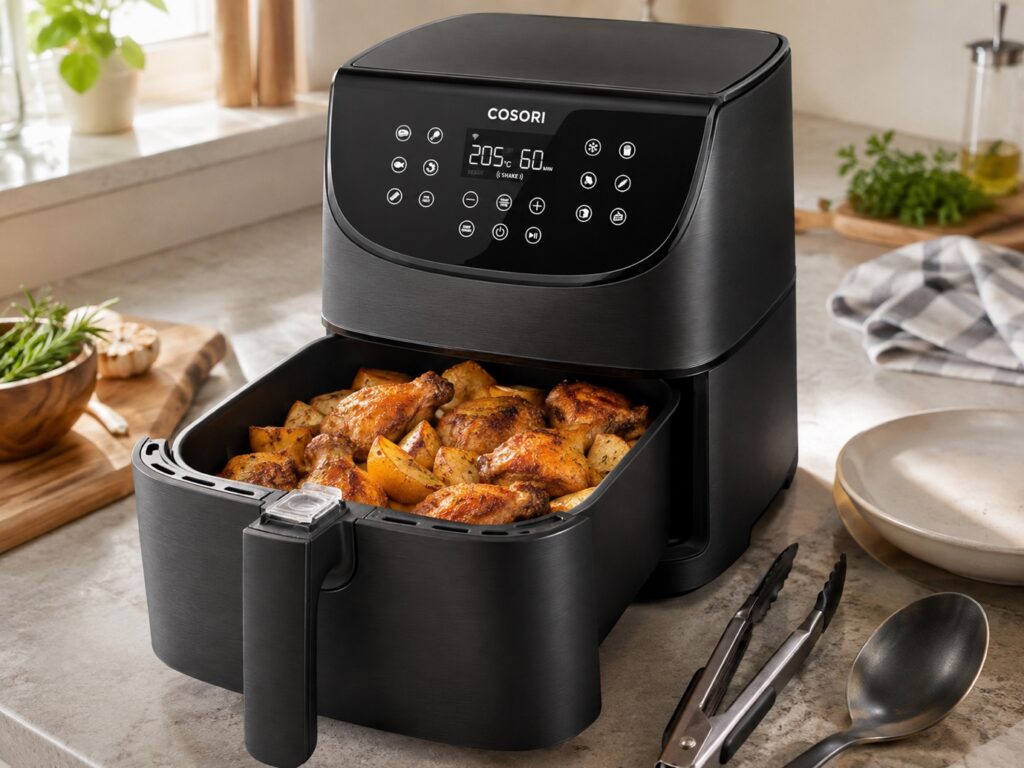
If you want both speed and crispness, a convection microwave may offer the best of both. If you can fit two compact appliances, each serves a specific purpose: a microwave for reheating, and a toaster oven for crunching.

Take the guesswork out of kitchen upgrades. Live with the choice, observe how you use it, and let your meals guide you. For tips on appliance placement or convection cooking methods, be sure to explore our related articles and cooking guides at https://houseappliancespro.co.uk/blog/

Kitchen
Struggling with a Cluttered Kitchen? These Organisation Hacks Will Change Your Life
A clean and organized modern kitchen with white cabinets, wall-mounted shelves, and neatly arranged appliances

Most people don’t realise how much disorganisation can affect their daily life, which is why these kitchen organisation hacks can be genuinely life-changing. When you can’t find the right tool, when your countertops are constantly crowded, and when your cabinets feel like black holes, cooking becomes stressful instead of satisfying. The good news is that kitchen clutter isn’t permanent. With a few smart changes and intentional organisation, you can transform any kitchen into a calm, functional, and beautiful space.

Let’s explore practical, real-world solutions that make a real difference starting with how to recognize where the clutter is coming from.

Identify the Trouble Spots

Every kitchen has its “danger zones.” These are the areas where clutter always seems to pile up. For many, it’s that one drawer full of random utensils. Others may have small appliances scattered across every available surface, or pantry shelves overflowing with mismatched containers. The first step is to look around and identify the spaces that feel messy every single day. By narrowing your focus, you can begin to declutter with intention and purpose.

Give Every Appliance a Home

One of the biggest causes of kitchen clutter is not knowing where to store appliances. Instead of letting them live on your countertops, start by deciding which appliances you actually use on a daily or weekly basis. Those that you use frequently should be stored in easily accessible places perhaps in a cabinet near your prep area or on an open shelf that still looks tidy.

Appliances that are only used occasionally can be moved to lower cabinets or storage zones that aren’t in your daily workflow. If you have space, installing a sliding tray or pull-out shelf in your cabinet will make heavy appliances like mixers or food processors much easier to access and store away again. The goal is to stop treating every appliance like a countertop decoration and instead give each one a defined home.

Use Your Vertical Space Wisely

Many kitchens waste valuable space by ignoring the walls. Vertical storage can make a huge difference, especially in small kitchens. Think about adding floating shelves above your countertop for things like mugs, jars, or decorative storage containers. These shelves not only offer additional storage but can also add a touch of personality to your space.

Magnetic knife strips are a great way to move knives out of drawers and onto the wall, keeping them within reach and reducing drawer clutter. You can also add small hooks under your cabinets to hang measuring spoons, coffee mugs, or other frequently used utensils. The goal is to keep items visible and accessible without cluttering your counters.

Reclaim Your Corner Cabinets

Corner cabinets often become black holes where things go to disappear. Because of their depth and awkward shape, they’re frequently underused or filled with items you rarely touch. But with the right accessories, corner cabinets can become incredibly efficient.

Lazy Susans are circular trays that rotate, allowing you to access spices, oils, or small kitchen items easily. They’re beneficial in deep corners where it’s hard to see what’s hiding in the back. Pull-out trays or angled corner drawers are also practical solutions. They give you access to the full depth of your cabinet without needing to reach blindly. With just a little investment, these forgotten corners can turn into some of the most practical parts of your kitchen.

Organize Drawers by Category

When every drawer contains a mix of items, you waste time and create unnecessary mess. The key is to categorize your drawers by type of item. For example, one drawer can hold all cooking utensils like spatulas and tongs. Another can be reserved for prep tools like peelers and measuring cups. Keep flatware in a separate tray, and reserve a drawer for miscellaneous tools only if they truly don’t fit anywhere else.

Using drawer dividers can help keep items in place, especially in wider drawers. If you have deep drawers, consider using bins or trays to separate smaller items. By dedicating each drawer to a specific category, you’ll always know where everything belongs and you’ll find yourself tidying up without even thinking about it.

Make the Most of the Space Under the Sink

The space under your sink is often an overlooked chaos zone. It’s where cleaning supplies, sponges, trash bags, and extra dish soap pile up without any order. But with a little creativity, this area can be transformed into a highly functional storage space.

Stackable plastic drawers are a great way to separate and categorize items. You might keep dish soap and sponges in one drawer, and garbage bags and paper towels in another. Add a shelf riser to create two levels of space, or install a small tension rod across the top of the cabinet to hang spray bottles. The key is to keep everything visible and accessible so you’re not constantly bending down and digging through clutter.

Rethink Your Pantry Strategy

Your pantry is another place where organization can quickly fall apart. Bags of pasta, half-used sauces, and expired snacks can turn shelves into frustration zones. The first rule of pantry organization is visibility. You want to be able to see what you have at a glance.

Clear storage bins make this much easier. Use bins to group similar items: snacks in one, baking supplies in another, and canned goods in a third. Label each bin clearly so that even guests know where to place their items. If you have deep shelves, add a lazy Susan or risers to bring items from the back to the front. When everything has a place and you can see it all, you’ll stop overbuying and wasting food. Click to explore more smart pantry organisation ideas

Keep Your Counters Clean and Purposeful

Countertops should be for working not storing. When too many items live on your counters, even small tasks feel stressful. Start by clearing everything off, then decide what truly deserves to be there. Items that you use every day, such as a coffee maker or toaster, can stay. Everything else should be relocated to cabinets, drawers, or wall-mounted shelves.

Once your counters are clear, wipe them down regularly and avoid placing random items there. Think of it like this: if your counter was a desk, would it help or hurt your productivity? The same mindset applies to cooking.

Build Simple Maintenance Habits

A clean and organized kitchen doesn’t maintain itself. You don’t need to spend hours each week tidying up, but a few minutes here and there makes all the difference.

Once a week, do a surface wipe-down and return items to their correct places. Once a month, pull everything out of a drawer or cabinet and evaluate what you actually use. Donate or recycle anything you no longer need. Every three months, take stock of your systems. Are your bins still in the right spots? Are you reaching for tools that don’t live where they should? Adjust accordingly.
Small, consistent actions will keep your kitchen running smoothly without feeling like a chore.

Transform One Cabinet at a Time

If overhauling your entire kitchen feels overwhelming, start small. Pick one drawer or cabinet each week and give it a full refresh. Empty it out completely. Wipe down the inside. Discard or donate anything you don’t use. Then reorganize it using categories and dividers.

This method keeps the process manageable and allows you to build momentum. Within a few weeks, you’ll notice the shift not just in your kitchen’s appearance, but in your daily routine and peace of mind.

A Kitchen That Supports You

At the end of the day, your kitchen should support the way you live. It should make cooking easier, not harder. It should be a space where you feel calm, focused, and inspired—not stressed or scattered.

You don’t need to renovate your entire kitchen to make it feel new. Organisation is a form of transformation that costs very little but delivers significant results. Whether you’re working with a compact apartment galley or a spacious family kitchen, these tips can help you reclaim your space and make it work better for you.

Start with a drawer. Move on to a cabinet. Take back your countertops. And in just a few steps, you’ll go from cluttered to confident—without buying more stuff, just by using what you have smarter.

If you’re looking for clever tools to help you stay organised long-term, explore our curated collection of space-saving kitchen solutions. These gadgets are selected to fit real kitchens, real lives, and real storage challenges.

Kitchen
Best Budget-Friendly Kitchen Gadgets Under £50 That Are Actually Worth Buying

Collection of affordable kitchen gadgets under £50 including handheld tools and compact appliances on a modern countertop

Why Budget Doesn’t Mean Basic

Affordable kitchen gadgets don’t have to mean poor quality or short lifespan. In a world where high-end kitchenware often dominates the conversation, it’s easy to overlook the quiet heroes, budget-friendly tools that are practical, durable, and surprisingly reliable. Whether you’re setting up your first kitchen, shopping for a thoughtful housewarming gift, or simply trying to get the most value for your money, some low-cost gems genuinely outperform their price tags.

This guide walks you through our top recommendations for kitchen gadgets under £50 that actually hold up in daily use. We also break down the often-overlooked relationship between longevity and price so that you can buy smart, not just cheap.

What Makes a Kitchen Gadget Worth Buying

To decide whether a gadget is genuinely worth the investment, price alone isn’t enough. A good, budget-friendly kitchen tool should serve a clear function in your daily routine, withstand frequent use without showing wear, be easy to clean and store, and offer design features that support safety and convenience. When selecting must-have kitchen tools, it’s essential to consider more than just trends or aesthetics. Focus instead on how the gadget fits your lifestyle and cooking habits. For more expert-tested ideas, BBC Good Food has shared their roundup of 32 kitchen gadgets that combine practicality with value.

Longevity vs. Price: What £50 Can Actually Get You

One of the most important but least discussed aspects of affordable kitchen gadgets is their long-term value. People often assume that low price equals low quality, but that’s not always the case. Take, for example, a handheld milk frother that costs £7 and lasts for 18 months. If you use it once or twice a week, that’s exceptional value. Meanwhile, a £70 milk steamer that stops working after two years might not offer the same return on investment.

Another example is a digital kitchen scale. A £13 model with strong battery life and accurate readings can easily outlast a £60 “smart scale” that requires constant app updates and expensive replacements. Simpler gadgets with fewer parts are often more durable over time. You get consistent performance without the complication or cost.

Top 5 Kitchen Gadgets Under £50 That Are Actually Worth It

Let’s take a closer look at the best affordable kitchen gadgets available right now. Each one comes in under £50 and has earned a reputation for being both reliable and practical.

Bonsenkitchen Milk Frother Handheld – £6.99

bon-sen kitchen handheld milk frother making foam


This compact handheld frother whips milk into rich foam in just 20 seconds. Ideal for lattes, cappuccinos, matcha, or hot chocolate, it features a stainless steel whisk, one-button control, and easy cleaning. A budget-friendly essential for any coffee lover.

Bosch VitaPower Mini Blender – £39.00

Bosch VitaPower Mini Blender in a compact kitchen, ideal for smoothies and soups


Perfect for smoothies, soups, and sauces, this mini blender packs powerful blades into a compact form. It’s ideal for small kitchens and busy lifestyles while maintaining Bosch’s trusted durability and sleek design.

Digital Kitchen Food Scale – £19.99

Modern digital kitchen scale with glass surface for precise measurements


Designed for precise cooking and baking, this scale includes both metric and imperial measurements. Its slim glass design makes it easy to clean and store, offering long-lasting use for health-conscious cooks.

Vocha Electric Hot Pot – £32.99

Compact electric hot pot ideal for quick meals like noodles and soups


A versatile electric hot pot that’s ideal for dorms, small kitchens, or quick meals. Boil soups, noodles, or even steam vegetables with ease. Its compact size and dual temperature settings make it a surprisingly powerful kitchen helper.

Cube Extension Lead with USB – £16.99

Cube-shaped extension lead with USB ports for kitchen appliances


A clever cube-shaped power strip that saves counter space while providing USB ports for kitchen gadgets. Compact and travel-friendly, it’s perfect for powering multiple appliances in tight spaces without clutter.

Buyer’s Checklist: How to Choose Budget Gadgets That Last

There are several key things to keep in mind when shopping for affordable kitchen gadgets. First, always check the materials. Stainless steel or food-grade silicone generally outlasts plastic. Look for BPA-free certifications and avoid cheap plastic where possible.

Next, read the reviews. Aim for products with at least 100 reviews and a rating above 4.5 stars. These usually offer reliable performance and honest feedback from real users.

Go for simplicity. Gadgets with fewer moving parts tend to last longer. Manual tools are often more durable than those with electronics or motors.

Choose items that serve more than one function. A cutting board that folds, measuring spoons with dual ends, or a scale that measures solids and liquids- these offer more value in the long run.

Lastly, consider brand reputation. Brands like Tefal and Russell Hobbs have earned trust for delivering quality even at lower price points.

Final Thoughts

Buying cheap doesn’t mean settling for less. The gadgets on this list prove that with a bit of research and smart shopping, it’s possible to build a highly functional kitchen without overspending. Each product we’ve covered provides value not only in terms of price but also durability, utility, and day-to-day ease of use.

From frothing milk and mixing batter to measuring portions and chopping veggies, these affordable kitchen gadgets under £50 truly deliver. When chosen carefully, budget-friendly tools can outlast trendier, more expensive options and earn a permanent place in your daily routine.

Ready to Cook Smarter on a Budget?

Ready to Cook Smarter on a Budget?
You don’t need to spend a lot to make a big difference in your kitchen. With the right tools, each under £50ม, you can save time, reduce hassle, and enjoy cooking more than ever. Start small, choose smart, and turn your kitchen into a space that works better for you every day. Explore more affordable tools on our kitchen gadgets collection page and find the ones that fit your style.

Kitchen
Why Are Chefs Switching to Induction Cooktops? Pros, Cons and Hidden Benefits

Induction cooktops used for fast, energy-efficient cooking

A Kitchen Revolution

Induction cooktops are quietly transforming kitchens worldwide. More chefs are opting for them over gas or electric models due to their speed, control, and safety features. This shift is not just about modern aesthetics or kitchen trends. It reflects a deep appreciation for speed, safety, control, and environmental impact. Whether you are an aspiring home cook or a seasoned culinary professional, understanding why chefs are moving toward induction can help you make a more intelligent decision in your kitchen.

How Induction Cooking Works

Induction cooktops use electromagnetic energy to heat cookware directly. Unlike gas or conventional electric ranges, which transfer heat to the pan via an open flame or a heated coil, induction sends a magnetic current directly to the metal in your pot or pan. This method results in almost instant heating. The surface itself remains cool to the touch because it does not generate heat unless it comes into contact with compatible cookware. This efficiency creates a safer and more controlled cooking experience. According to Efficiency Vermont, induction cooking is not only faster but also more energy-efficient than other methods.

Why Induction Cooktops Offer Speed and Precision

One of the primary reasons chefs are moving toward induction is the unparalleled control it offers. When a chef turns the heat down, it happens immediately. There is no residual heat continuing to cook the food, which often occurs with gas or electric burners. A professional chef like Thierry Molinengo from Cristal Room Baccarat describes induction as powerful, immediate, precise, effective, and practical. Another acclaimed chef, James Ramsden from Pidgin in London, shares that he loves their induction range so much he would never go back to gas. The ability to react instantly can make or break a dish in high-pressure kitchens. Precision is essential in professional cooking, and induction delivers that in a way gas simply cannot match.

How Induction Cooktops Create Safer, Cleaner Kitchen

Gas stoves have been linked to indoor air pollution. They emit nitrogen dioxide, carbon monoxide, and even benzene, which can negatively impact respiratory health. According to TIME and Columbia University’s Mailman School of Public Health, switching to electric or induction ranges can lower indoor air pollutants by more than 50 percent. This is particularly important in homes with children or people with asthma. Since induction cooking does not involve combustion, it completely eliminates the release of these harmful gases. There is also a dramatic reduction in burn risk. The cooktop remains cool and safe to touch after removing the pan, which provides peace of mind in both home and commercial environments.

Easier Cleanup and More Comfortable Kitchens

Induction cooktops feature a smooth, flat glass-ceramic surface that is easy to clean. Because the cooktop itself does not get hot, food spills do not burn onto the surface. A simple wipe with a cloth is often enough. Additionally, the cooking environment stays cooler. With gas and electric stoves, a significant amount of heat escapes into the air, making kitchens uncomfortably warm. In contrast, induction heats only the cookware. This leads to a cooler, calmer workspace, which is especially beneficial in restaurant kitchens where multiple burners are operating. Chef Neil Perry, known for his precision in the kitchen, has stated that induction units are easier to clean and cut energy use, all while improving working conditions.

Efficiency and Long-Term Savings

From an energy efficiency standpoint, induction leads the market. Studies from NRDC and Sustainable Westchester show that induction cooking transfers around 85 percent of the energy into the cookware. In comparison, electric coils convert about 70 percent, while gas can waste over half of its energy. This efficiency not only saves money on energy bills over time but also supports a more sustainable lifestyle. In the United States, the Inflation Reduction Act offers up to $840 in rebates for switching from gas to electric appliances, which includes induction stoves. Programs like Efficiency Vermont also provide local incentives.

A Cooler, More Sustainable Kitchen

A lesser-known but impactful benefit of induction cooktops is the reduction in ambient heat. In professional kitchens, where ovens, stoves, and fryers operate simultaneously, ambient temperature can rise quickly. Induction cooking does not heat the air or surrounding surfaces, which helps maintain a more comfortable environment and reduces the load on air conditioning systems. This efficiency translates into lower carbon footprints. Moreover, gas stoves often leak small amounts of methane, even when they are turned off. Methane is a potent greenhouse gas, and avoiding it helps reduce a kitchen’s overall environmental impact.

Considerations and Trade-offs

Despite its many advantages, induction does come with considerations. First is the price. Induction cooktops tend to be more expensive than traditional models. A high-quality unit may cost $1,000 or more, compared to around $600 for a mid-range gas stove. However, the investment is often recouped over time through energy savings and reduced maintenance. Second, induction requires magnetic cookware. Aluminum, copper, and glass will not work unless they have a magnetic base. Most stainless steel and cast iron pans are compatible. You can test your current cookware with a fridge magnet. If it sticks, it works. Additionally, the glass-ceramic surface, though elegant, can scratch if cookware is dragged across it. Using silicone mats or lifting pans helps avoid damage.

There is also the matter of certain cooking techniques. Some chefs argue that induction cannot fully replace gas when it comes to charring, flambéing, or using a wok with open flame. These techniques require a live flame to caramelize or add smoky flavor. For this reason, some professional kitchens keep both gas and induction options to meet all cooking needs.

Voices from the Kitchen

Chef testimonials offer insight into how induction technology is perceived in real-world kitchens. James Ramsden praises his large induction range as transformative. Neil Perry points out the dramatic difference in cleanliness, speed, and energy usage. These real-life applications demonstrate that induction is not just a home trend. It is a serious upgrade for serious cooks. According to Eurokera, many chefs who adopt induction never look back.

Health and Environmental Evidence

Recent studies underscore the health benefits of switching to induction. The Rocky Mountain Institute found that gas stoves are responsible for 12 to 13 percent of childhood asthma cases in the United States. Furthermore, benzene emissions from gas stoves have been compared to those from cigarette smoke. According to Better Homes & Gardens, these toxins linger in kitchens even after cooking ends. By contrast, induction cooking emits no harmful gases and eliminates exposure to carcinogens associated with gas combustion.

Incentives and Rebates

Financial support is becoming increasingly available for those interested in transitioning to induction. In the United States, the Inflation Reduction Act allows households to claim up to $840 for replacing gas stoves with electric or induction models. Programs such as Efficiency Vermont and regional utility companies also offer rebates and discounts. In the United Kingdom, some local councils provide grants for sustainable kitchen upgrades. These incentives help ease the burden of the initial cost and encourage broader adoption.

Try Before You Commit

For those who remain uncertain, a portable induction cooktop is a great starting point. These single-burner units are widely available for under $150 and plug into any standard outlet. Brands such as Duxtop, Hamilton Beach, and Breville offer high-performance options. According to Epicurious, portable induction units are perfect for testing speed, responsiveness, and cookware compatibility. They also serve as excellent additions to small kitchens or supplemental cooking zones.

Final Thoughts

Induction cooktops are no longer niche appliances for the tech-savvy or environmentally obsessed. They have become reliable, efficient, and health-conscious tools embraced by chefs across the globe. While the upfront cost and cookware requirements may initially seem like drawbacks, the long-term advantages are clear. These include faster cooking, lower energy bills, improved indoor air quality, and a safer kitchen environment. Whether you are looking to modernize your home kitchen or future-proof a professional one, induction cooking deserves serious consideration.

Ready to Experience the Difference?

The best way to understand what induction can do for your kitchen is to try it for yourself. You do not have to commit to a full upgrade right away. A portable induction cooktop is a simple and affordable way to test the waters. It plugs into a standard outlet, heats instantly, and gives you a taste of how modern cooking can feel.

If you’re ready to explore induction cooking in your own kitchen, check out the SingleHomie Built-in Electric Cooktop. It’s sleek, responsive, and built for modern efficiency.

If you are already thinking about improving more than just your stove, take it further by pairing your setup with the best blender for smoothies and soups or learning how to properly care for your coffee machine. These small changes add up to a kitchen that is not only more efficient but also more enjoyable to be in every day.

Induction might start with heat. Its real magic is how it transforms your relationship with your kitchen.

Kitchen
The Ultimate Blender Buying Guide: Which One Is Best for Smoothies, Soups & More?

Three modern blenders on a kitchen counter making smoothies, soup, and nut butter – best blender for smoothies, soups and more

Choosing the best blender for smoothies, soups, and more is about more than just picking the model with the highest wattage or sleekest design. Whether you’re blending thick green smoothies, creamy hot soups, or homemade nut butter, the right blender can transform your kitchen routine. In this guide, we explore different blender types, showcase standout models of 2025, and offer practical advice based on real-life use.

How the Best Blender for Smoothies, Soups and More Goes Beyond Just Power

Experts from Homes & Gardens stress the importance of use-case testing rather than raw power when reviewing blenders for smoothies, soups, ice crushing, and nut butters. For example, the Vitamix A3500 consistently wins praise for its 1640-watt motor, 64-ounce jar, and reliable performance across all categories. It remains a top pick for 2025 thanks to its consistent power and versatility.

Choosing a compact but equally capable blender makes more sense for single-serve smoothie users. The Nutribullet Pro 900 is a practical example: smaller, faster, and still powerful enough for daily blending needs.

What Makes the Best Blender for Smoothies, Soups and More in 2025

Publications like Good Housekeeping and TechGearLab evaluate blenders on specific criteria. These include motor strength, jar material, blade sharpness, blending consistency, noise levels, and cleaning ease. The Vitamix A3500 wins for its variable speed dial, built-in soup mode, and self-cleaning capabilities. For affordability, the Breville Fresh & Furious offers smooth blending, low noise, and balanced performance perfect for those who want quality without breaking the bank. The Spruce Eats affirms that over 1,000 watts is the threshold where blenders begin to outperform basic models, especially with harder ingredients.

Powerful Smoothie Blender Recommendations

If you want a good smoothie blender, aim for at least 1,000 watts and durable blades. The Vitamix A3500 delivers creamy results from frozen fruits and greens with its variable-speed controls and SmartControl presets. The Breville Super Qboosts power further with its 1,800-watt motor and consistently strong user reviews. If your kitchen space is compact, the Nutribullet Pro 900 is a great choice for quick, effective blends.

Blenders Ideal for Cooking Soups and Sauces

Choosing a blender for hot liquids requires heat-safe containers, preset soup modes, and safety features. The Vitamix A3500 excels at turning cold ingredients into hot soup within minutes. Another option, the Braun PowerBlend 9, uses a 1600-watt motor to achieve smooth, hot soup quickly. While immersion blenders like the KitchenAid Cordless Hand Blender offer portability for blending in pots, they do not match countertop models in terms of texture and consistency.

Blenders for Nut Butters and Thick Blends

Creating nut butter or hummus demands torque and consistent speed under pressure. The Vitamix A3500 and its companion model, the 5200, are built for this task with powerful motors and heat-resistant design. The Breville Super Qrises to the challenge with similarly impressive performance. Users and The Spruce Eats both report common budget blenders often stall or overheat when handling dense ingredients, so investing in a high-torque model is essential for those recipes.

Compact vs Full-Size Considerations

Understand your kitchen needs when choosing between compact and full-size blenders. Compact options like the Nutribullet Pro 900 and Beast Mighty 850 shine for small spaces, ease of use, and portability. Full-size countertop models like the Vitamix A3500 and Breville Super Q offer greater power and capacity — ideal for larger families or meal-prep enthusiasts. Match your choice to how often you’ll use it and the space you have available.

Expert Roundups You Can Trust

To further guide your decision, it’s worth consulting expert reviews that combine rigorous testing with user-focused evaluations. These trusted sources evaluate performance based on more than just specs they test for durability, blending consistency, ease of use, and real-world versatility.

For instance, The Guardian’s hands-on review series goes beyond marketing claims to test how blenders handle common kitchen tasks like crushing ice, blending fibrous greens, and making hot soup. Their team also examines energy efficiency and cleaning difficulty, which are often overlooked in product specs.

Self Magazine’s editorial team takes a practical approach by curating lists of top blenders suited to different lifestyles, from fitness enthusiasts looking for a smoothie powerhouse to home cooks who want an all-in-one machine for soups, sauces, and nut butter. Their picks include models that have withstood months of daily use in home kitchens, not just quick lab tests.

Meanwhile, NYMag’s Strategist guide offers a curated blend of product reviews, chef endorsements, and verified customer feedback. Their breakdowns are especially useful for comparing the performance-to-price ratio and long-term reliability, making them an excellent resource for shoppers seeking to maximise the value of their purchase.

Together, these reviews offer a balanced perspective, mixing lab-tested data with real-life usage patterns. They also help identify any recurring issues, such as common part failures or customer service shortcomings, which you won’t see in marketing brochures. By referring to these sources, you can avoid decision fatigue and shop smarter based on detailed, unbiased insights.

Making the Final Decision

Choosing the right blender for 2025 means selecting the one that best matches your lifestyle. A powerful smoothie blender can also double as a food processor for sauces and shakes. Soup-ready models save time with presets and stepless texture control. Blenders designed for thick recipes come with the durability required for dense blends, and compact options make sense for smaller kitchens. Avoid overspending unless you have a clear all-in-one use plan, because many high-end models exceed actual needs for everyday cooking.

Ready to Buy?

Explore our curated blender category at https://houseappliancespro.co.uk to compare models, features, and verified customer reviews. Use our filter options to narrow down your search by power, use case, and price so that you can find the best fit for your kitchen.

Choosing the best blender for smoothies, soups and more helps you achieve consistently smooth results every time. Pick your perfect match and enjoy blending like a pro.

Video Review

See the Vitamix A3500 in action here

Kitchen
Pure & Safe: A Comprehensive Guide to Choosing Your First Water Purifier

With concerns about water quality on the rise, investing in a water purifier has become a necessity for many households. However, with a wide array of options available, selecting the right water purifier can be overwhelming for first-time buyers. In this comprehensive guide, we will walk you through essential factors to consider when choosing your first water purifier. From understanding your water quality to selecting the most suitable purification technology, you’ll gain valuable insights to make an informed decision for clean, safe, and healthy drinking water.

Assess Your Water Quality

Before choosing a water purifier, evaluate your water quality. Conduct a water test or check your local water quality report to identify potential contaminants such as bacteria, viruses, chlorine, heavy metals, and other impurities. Understanding your water’s composition will help determine the right purification method needed to address specific contaminants.

Select the Appropriate Purification Technology

Different water purification technologies cater to distinct water quality issues. Common types include Reverse Osmosis (RO), Ultrafiltration (UF), Ultraviolet (UV) purification, and Activated Carbon (AC) filtration. RO systems are effective for removing dissolved solids and heavy metals, while UV purification neutralizes harmful microorganisms. UF is suitable for removing larger particles, and AC filtration targets chlorine, pesticides, and odors. Choose the technology that aligns with your water quality requirements.

Consider Water Usage and Flow Rate

Consider your daily water usage when selecting a water purifier. For smaller households with lower consumption, compact and countertop models might suffice. Larger households or those with higher water demand may require under-sink or wall-mounted purifiers with faster flow rates to ensure a steady supply of purified water.

Evaluate Maintenance and Filter Replacement

Regular maintenance is crucial for optimal water purification performance. Check the maintenance requirements and ease of filter replacement for each purifier. Some models offer indicator lights or alarms to signal when filters need changing. Choose a purifier with accessible filters for easy and hassle-free maintenance.

Check Certification and Standards

Look for water purifiers certified by reputable organizations, such as NSF International or the Water Quality Association (WQA). These certifications ensure that the purifiers meet specific quality and performance standards. Additionally, check for certifications that confirm compliance with safety and health regulations.

Consider Water Storage and Tank Material

Water purifiers with built-in storage tanks offer a convenient source of purified water, especially during power outages. Consider the material of the storage tank, ensuring it is made of food-grade, non-toxic material to prevent contamination.

Budget and Long-Term Costs

Establish a budget for your water purifier and consider long-term costs, including filter replacements and maintenance. While it may be tempting to opt for the cheapest option, investing in a quality water purifier ensures reliable performance and consistent water quality.

Choosing your first water purifier is a significant decision that directly impacts the health and well-being of your household. By understanding your water quality, selecting the appropriate purification technology, and considering factors like water usage, maintenance, and certifications, you can find the ideal water purifier to suit your needs. Invest in a quality water purifier for clean, safe, and refreshing drinking water that ensures a healthy lifestyle for you and your family.

Kitchen
Enhancing Water Quality for a Healthier Lifestyle

Ensuring clean and pure water is essential for our well-being. With the help of advanced water filtration products like the RUNMIND Hydrogen Water Bottle, Bluevua RO100ROPOT Reverse Osmosis System, and TYFYH Faucet Filter, we can enjoy high-quality water free from impurities. In this article, we will explore the significance of water quality and how these innovative water filters and purifiers contribute to a healthier lifestyle.

Understanding the Importance of Water Quality

Water quality directly affects our health and daily life. Contaminants such as bacteria, chemicals, heavy metals, and pollutants can be present in our tap water, impacting taste, odor, and overall safety. It is vital to have access to clean and pure water for drinking, cooking, and other household activities.

Introducing the RUNMIND Hydrogen Water Bottle

Utilising both PEM and SPE technology, the RUNMIND Hydrogen Water Bottle is a cutting-edge product that adds molecular hydrogen to water. This is accomplished by the bottle’s design. Because of this process, the water that is produced is rich in antioxidants and can have a hydrogen concentration of up to 1600 parts per billion (PPB). It is possible to obtain revitalising and nourishing water at any time and in any location thanks to its portable design and glass water ioniser, making it an excellent choice for use while travelling.

Exploring the Bluevua RO100ROPOT Reverse Osmosis System

It is possible to achieve extremely high levels of cleanliness in the water that passes through the Bluevua RO100ROPOT Reverse Osmosis System as a result of the four-stage cleansing procedure that is included in this system. It does an effective job of removing impurities such as bacteria, chlorine, heavy metals, and contaminants, which results in water that is clean and can be used for drinking purposes. Because of its countertop design and 2:1 ratio of pure water to drain water, which enables it to provide purified tap water whenever it is most convenient for you, this product is an excellent choice for use in the home.

Discovering the TYFYH Faucet Filter

The TYFYH Faucet Filter is a kitchen tap filter made of activated carbon that removes impurities such as fluorinated compounds, chlorine, heavy metals and hard water minerals. It does this by filtering the water as it passes through the tap. This is accomplished by a filter that is placed in the path of the water as it flows from the tap. Its straightforward installation on faucets in the kitchen and bathroom ensures that the water is clean and risk-free for a variety of uses throughout the house. This can be accomplished with very little effort. When you use this dependable water purifier, you will notice not only an improvement in the flavour of the water, but also a reduction in the amount of potentially harmful substances that come into contact with you.

Benefits of High-Quality Water Filtration

Investing in advanced water filtration products like the RUNMIND Hydrogen Water Bottle, Bluevua RO100ROPOT Reverse Osmosis System, and TYFYH Faucet Filter offers numerous advantages. These systems effectively remove contaminants, ensuring healthier and better-tasting water. Benefits include improved hydration, reduced exposure to harmful substances, and the convenience of having clean water readily available.

Prioritizing water quality is essential for a healthier lifestyle. The RUNMIND Hydrogen Water Bottle, Bluevua RO100ROPOT Reverse Osmosis System, and TYFYH Faucet Filter provide innovative solutions to enhance water quality at home. By investing in these advanced water filtration products, you can enjoy clean, pure, and refreshing water, promoting overall well-being and a healthier lifestyle.

Instagram