

Smart Homes
Shopping For Appliances: What to Consider Before You Buy

Appliance shopping can be difficult, especially if you don’t know what to look for. Choosing the best appliance for you can be overwhelming with the wide range of brands, models, and features available. However, with a little bit of research and thoughtful consideration, you can quickly identify the appliance that best suits your requirements. We’ll go over some important things to think about when shopping for appliances in this blog post.

Size

The size is one of the first factors to take into account when purchasing an appliance. To make sure the appliance will fit properly, measure the area where it will be placed. It’s crucial to take the appliance’s capacity into account. Make sure the refrigerator you’re buying, for instance, can hold all the food you need to store.

Energy Efficiency

When choosing appliances, energy efficiency is a factor that consumers are paying more attention to. Energy-efficient appliances not only help you save money on energy costs, but they also lessen your carbon footprint. Look for appliances with an Energy Star rating, which certifies that they satisfy the government agency’s strict energy efficiency requirements.

Features

Another important factor is the appliance’s features. Consider the specific tasks you require the appliance to complete, then look for features that will make them simple and easy or more effective. When looking for a dishwasher, for instance, look for models with various wash cycles and movable racks to accommodate various dish sizes. When looking for a washing machine, take into account options for cycle selection and load size.

Brand Reputation

Another important factor is the appliance’s brand. Choose brands with a solid track record of quality and reliability. To find out what other customers have to say about their experiences with various brands and models, check out reviews and ratings online.

Price

When looking for appliances, price is always a significant factor. Ahead of time, decide your budget, and then search for appliances in that price range. Although you might be able to find less expensive appliances, keep in mind that they might not be as reliable or energy-efficient as more expensive models. However, you might not require every feature of a more expensive appliance and could save money by selecting a less complicated model.

Maintenance and Repairs

It’s important to consider an appliance’s maintenance and repair needs before you purchase it. Choose models with simple maintenance requirements and easy-to-clean surfaces. Verify the warranties and repair options offered by various brands and models. Make sure you are aware of the warranty’s duration and what it covers.

Style and Design

While style and design may not be as important as some of the other factors mentioned above, they can still be a consideration for many consumers. Consider the style and design of the appliance and whether it fits with the overall aesthetic of your home. Some brands and models offer a variety of colours and finishes to choose from.

Compatibility

It’s crucial to take compatibility into account if you’re buying multiple appliances. Make sure, for instance, that a refrigerator and a dishwasher you buy will work with the plumbing and electrical systems in your home.

Noise Level

Finally, take the appliance’s noise level into account. Some appliances have a loud sound, which can be a problem if your home has an open floor plan or if the appliance is placed in a shared area. Look for models that operate quietly or have noise-cancelling features.

Buying appliances can be overwhelming, but by taking these factors into account, you can reduce your options and identify the ideal appliance for your needs. Spend some time researching and comparing various brands and models before making a purchase. By doing this, you’ll be able to find an appliance that meets your needs, is durable and reliable, and is also within your price range. Don’t forget to take into account an appliance’s ongoing costs as well, such as energy use and upkeep, in addition to the initial purchase price.

When you’re prepared to buy something, make sure to shop around and compare prices offered by various retailers. Throughout the year, a lot of retailers run sales and promotions, so it pays to shop around for the best price. A floor model or an older model that is still in good condition that is available for less money may also be something you want to think about buying.

Once you’ve made your purchase, be sure to follow the manufacturer’s instructions for installation and use. This will help ensure that the appliance operates properly and lasts for as long as possible. Regular maintenance, such as cleaning and replacing filters, can also help prolong the life of your appliance.

In summary, shopping for appliances can be a time-consuming process, but it’s worth taking the time to consider the factors mentioned above to find the appliance that best meets your needs. Whether you’re shopping for a refrigerator, washing machine, or dishwasher, be sure to consider the size, energy efficiency, features, brand reputation, price, maintenance requirements, style and design, compatibility, and noise level. By doing so, you’ll be able to find an appliance that not only functions well, but also fits seamlessly into your home and lifestyle.


Check out our latest blog, ‘Incorporate Old Fashioned Radios Into Your Home‘
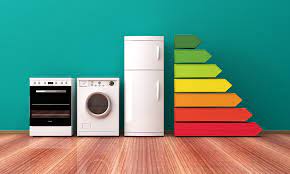
Smart Homes
Catch the Appliance That Consumes Power Most!

In February 2022, the UK Office of Gas and Electricity Markets (Ofgem) announced that the domestic energy price will be increased by 54% from April. It is an incredible boost in history. Before this, the average British household’s annual electricity bill was about 1,277 to 1,370 pounds. The electricity bill will increase by about 700 pounds in the next year for every household approximately. It is estimated 

that 22 million households across the country will be affected. Here, FutureCo helps you to find out which are the biggest users of electricity in the home and offers some tips on how to use them as efficiently as possible to help you reduce your energy bill.   

Natalia Lachi, an expert at Discount Code which is a British money-saving website, pointed out that even if TVs, refrigerators, and mobile phones are in standby mode, they continue to consume electricity if the plugs are not pulled out. In particular, TVs are the number one power-consuming appliance. And your electricity bills will skyrocket to £132.86 just in one year!  

Lachi said that according to the electricity consumption habits of British households, the TV is the number one power consumption. As many as 98% of people are used to leaving the TV in standby mode, which will increase the annual electricity bill by at least 132.86 pounds. Some people even like to equip it with a video game console, the power consumption will increase more under the playing status. However, it is believed that the electricity bill can save about 4.2 pounds per day if it is indeed turned off.  

Furthermore, refrigerators, kettles and mobile phone chargers also consume a lot of power invisibly. According to Larch, a refrigerator or freezer costs £114.24 a year for electricity and a kettle can add £30.66 a year to your bill. Even leaving phone chargers plugged in after being used can add £20 a year to your electricity bill.  

Lachi suggested that we should develop the habit of unplugging the plug after using it. As for refrigerators that need to use electricity all the time, accumulating too much dust and storing too much food inside definitely will increase the power consumption of the refrigerator. This can be solved by cleaning at a regular frequency to maintain appliance working efficiency. Japanese home appliance company, Panasonic, once conducted a test about the power saving of refrigerators. When the outside temperature of the refrigerator is 25 degrees and it is running stably, the food in the refrigerated area of the refrigerator is advised to be filled at 70%! The reason for this is because 70% of food can avoid the poor circulation of cold air in the refrigerator and the refrigerator does not need to spend more effort to cool down, resulting in a waste of electricity. Therefore, rather than filling the refrigerator at home, it is better to fill it only 70% full, which can save about 10% of electricity. However, the usage rule of the freezer is different from the refrigerated area. Panasonic recommends a surprising method of saving more electricity that the food in the freezer can be stuffed without blocking the freezer air 

vent. It turns out that the frozen ingredients are like cooling agents, and all of them are like a big ice cube in the freezer. This can help each other freeze, and at the same time reduce the burden of the freezer, thereby achieving the effect of power saving. If you implement the above actions perfectly, the electricity bills may drop significantly!  

Then how about other household appliances’ power consumption?   

Wet appliances 

Wet appliances include washing machines, dishwashers and tumble dryers that account for 14% of a typical energy bill, taking the top spot in the power-consumption list. The power used to heat the water that they use soars the consumption and makes them energy hungry home appliances.  

To down the using power of wet appliances, you can actively choose to wash clothes at a lower temperature and try to avoid washing half loads to save water at the same time. The same advice also can be applied to the dishwasher: use the Eco setting if it has one and try to wait until it’s full to set it off.  

Lighting 

Lighting may be one of the appliances that you seldom notice about the power consumption. This type of device takes up around 5% of an average home’s total energy bill. In the UK, the winter daylight hours are shorter than in summer. In summer, daylight can still be used until 9 or 10 pm, but in winter, sunset starts at 3 pm, which leads to an increase in electricity consumption!  To reduce the amount of energy, you can replace halogen bulbs with LEDs when purchasing.  

There is a wide range of LEDs shades from cool to warm, allowing you to create the lighting effect that you want for your home. If the average household replaced all bulbs with LEDs, it would save around £55 a year on bills. Another tip about saving the power of light is that you turn the lights off when you are not using them or when you leave the room. This will save you around £20 a year on your annual energy bills.  

Cooking 

The last category is cooking. Are your cooking habits costing you too much in your energy bills? It is said that around 4% of the energy bill is spent on powering kitchen appliances, including the oven, kettle and microwave.  

For cooking, microwaves are more efficient than ovens, as they only heat the food and not the air space inside. And while using the kettle, try to avoid overfilling it, this tiny action helps save yourself £11 a year on the electricity bill.  

As the awareness of eco-friendly has arisen around all of us, many home appliance brands are also launching products with eco-friendly features. Buying environmentally friendly appliances can not only reduce your electricity bill but also protect the earth. Let us create a sustainable living environment for the next generation while using home appliances to make our life more convenient. 

Instagram