Uncategorised
Best Portable Bluetooth Speakers for Summer Parties in July

As summer heats up, so does the excitement for backyard BBQs, beach hangouts, and poolside parties. The one thing that can truly elevate your summer gathering? Great music. And for that, you need the best portable speakers, the kind that deliver crisp, loud sound, long battery life, and the durability to handle splashes, sand, and the occasional knock. Summer parties and outdoor gatherings are in full swing in July, and having the best portable speaker ensures your music keeps up with the vibes. Whether you’re hosting a BBQ, hitting the beach, or chilling at the park, great sound is a must.

We break down the best bluetooth speakers for outdoor summer parties, with a special look at fan favourites like JBL speakers and other audio powerhouses. Whether you’re looking for compact and travel-friendly or powerful and party-ready, we’ve got the perfect pick for you.

Top Portable Speaker in summer

JBL Charge 5 – Best Portable Speaker for All-Around Outdoor Use

The JBL Charge 5 is one of the best all-around Bluetooth speakers available. It delivers clear treble, punchy bass, and loud volume, ideal for outdoor environments. With its IP67 rating, it resists both dust and water, so you can take it to the beach, pool, or forest trails without worry. The impressive 20-hour battery life means you don’t have to recharge mid-party. One of its unique features is the power bank functionality, which lets you charge your phone on the go. Whether you’re spending a whole day outside or hosting a garden party, this speaker won’t let you down.

UE MEGABOOM 3 – Loud, Bold, and Waterproof

Ultimate Ears’ MEGABOOM 3 is designed for bold, immersive sound in 360 degrees. This speaker can get loud, perfect for bigger outdoor spaces where sound can easily get lost. The bass is deep and dynamic, while the vocals remain crystal-clear. Its IP67 rating ensures it can handle full submersion in water, and it even floats, great for poolside fun or water balloon fights. With a 20-hour battery life, you can rely on it for day-to-night entertainment. Its bold colours and design make it just as fun to look at as it is to listen to.

JBL Flip 5– Compact Yet Mighty

The JBL Flip 5packs impressive power into a small, easy-to-carry speaker. It’s about the size of a water bottle but delivers strong bass thanks to dual passive radiators. Perfect for road trips, picnics, or beachside gatherings, it fits into any bag without sacrificing performance. With IP67 waterproof and dustproof protection, it’s made for outdoor adventures. The 12-hour battery keeps your playlist going during daytime outings, and it recharges quickly. The Flip 6 is especially great for those who want reliable sound in a small, stylish form factor.

Sony SRS-XG300 – Lights, Bass, and Action

Sony’s SRS-XG300 stands out by blending powerful sound with visual flair. Its X-Balanced speakers deliver clean, rich audio and deep bass that’s perfect for dance tracks and party anthems. The built-in LED lights sync with the music, adding energy and ambience as the sun goes down. With an IP67 rating and retractable handle, it’s built for portability and rugged environments. You also get a huge 25-hour battery life, so it’s ready for marathon parties. It’s ideal for those who want an all-in-one party speaker with both sound and style.

Bose SoundLink Flex – Small Speaker, Big Clarity

The Bose SoundLink Flex is a compact, beautifully designed speaker that delivers exceptional audio clarity. Whether standing upright, hanging from a strap, or lying flat, its PositionIQ technology optimises sound based on orientation. This makes it perfect for small setups or minimalist events where you still want premium sound. The design is sleek, with durable materials and an IP67 rating that protects it from water and dust. Its 12-hour battery is suitable for day trips or casual evening gatherings. Bose’s audio tuning ensures vocals and instrumentals sound natural and balanced, perfect for any playlist.

Top Portable speaker for summer

JBL Xtreme 3 – Sound That Fills the Space

For those hosting large outdoor gatherings, the JBL Xtreme 3 offers massive sound output. With four drivers and dual bass radiators, it can easily fill big backyards or open park spaces with dynamic audio. The 15-hour battery life ensures your party won’t go silent early. This speaker is IP67 rated, so it’s durable enough for rugged environments and resistant to both dust and water. The carry strap makes it portable despite its size. It’s the speaker you choose when you need volume, durability, and dependability all in one.

Marshall Emberton II – Retro Looks, Modern Power

For those who care about both performance and aesthetics, the Marshall Emberton II delivers. It carries the brand’s iconic rock-and-roll amp design in a compact, portable body. With multi-directional sound and over 30 hours of battery life, it outlasts most competitors. Its IP67 rating means it’s both waterproof and dustproof. It’s a visual and audio statement, perfect for stylish hosts or music lovers who value form as much as function. Whether you’re hosting a patio party or chilling in the sun, this speaker adds a cool, retro flair to the scene.

Tribit StormBox Micro 2 – Perfect for Active Lifestyles

If you’re constantly on the move, hiking, biking, or heading to solo beach outings, the Tribit StormBox Micro 2 is perfect. It’s small enough to fit in your hand but delivers powerful, well-balanced sound. With a 12-hour battery and IP67 waterproofing, it can handle rain, splashes, and sand. One cool feature is the mounting strap, allowing you to attach it to your bike, backpack, or gear. It also doubles as a power bank. For active listeners and adventurers who want great audio without bulk, this speaker is an ideal match.

How to Choose the Best Portable Speaker for Your Summer Party

Choosing the right speaker means understanding your needs. If you’re outdoors, volume and clarity are key. Bass boosts from dual radiators help create a fuller sound. Waterproof ratings like IP67 or IPX7 are a must for beach and poolside use. Battery life is critical; look for speakers with at least 12 hours of playtime. Consider weight and portability if you’ll be carrying it far. Extra features like PartyBoost or multi-speaker pairing can enhance group experiences. Don’t just shop by brand; match your speaker to your party vibe and environment.

Let the Music Play All Summer

Summer parties are all about good vibes, and music plays a huge role. Portable Bluetooth speakers now offer everything from rugged performance to premium design, so there’s an option for everyone. Whether you’re hosting a casual picnic, an all-day beach party, or a stylish evening get-together, the right speaker will elevate the moment. With plenty of battery life, waterproof protection, and booming audio, your soundtrack won’t miss a beat. Explore your options, pick your perfect match, and get ready to own the summer with incredible sound.

Before heading out, make sure your speaker is fully charged. If it’s not water-resistant, carry a protective pouch just in case. Plan your playlist ahead of time on Spotify, Apple Music, or Tidal so you’re not fumbling during the party. For extra flair, consider syncing multiple speakers or using light effects if your model supports them. Music can make or break the mood, so set the tone right and let your summer soundtrack carry your party from afternoon sun to starlit skies.

Click the link below for more information!

https://houseappliancespro.co.uk/wp-content/uploads/2025/06/Sheet-for-speaker-blog.xlsx

Uncategorised
How to Choose the Best Microwave for Your Kitchen: Expert Guide for 2025

Microwaves are a staple in almost every kitchen today. But with so many models available, selecting the best microwave 2025 UK can be a challenge. From busy professionals who rely on quick meals to families that need a reliable appliance for everyday cooking, finding the right microwave is crucial. Whether you’re replacing an old model or making your first purchase, it’s important to choose a microwave that suits your cooking habits. You also need to consider your kitchen size and energy preferences. This guide will help you understand what to look for when choosing the best microwave 2025 UK, from key features to design trends, so you can make a smart and informed purchase.

Toshiba Microwave with multile use

Types of Microwaves: Solo, Grill, or Convection?

The first and most important step in choosing a microwave is understanding the various types available and identifying which type best suits your cooking needs. There are three main types of microwave ovens: solo, grill, and convection. Solo microwaves are basic models typically used for simple tasks such as reheating food and defrosting frozen items. They are ideal for individuals, students, or small households that don’t require advanced cooking functions. Grill microwaves include the features of a solo microwave but also come equipped with a heating element that allows you to grill food, making them a suitable option for those who want to crisp or brown their dishes. Convection microwaves, on the other hand, are the most versatile. They combine standard microwave functionality with a fan and a heating element to circulate hot air, allowing you to bake, roast, and cook dishes just like in a traditional oven. For those who enjoy baking or preparing elaborate meals, a convection microwave is often the most suitable and especially if you’re shopping for the best microwave 2025 UK that offers multiple functions in one appliance.

Key Features to Look for in the Best Microwave Oven in 2025

Once you’ve chosen the type of microwave that aligns with your culinary habits, the next factor to consider is the range of features available. Modern microwave ovens come equipped with numerous features that enhance convenience and improve cooking performance. Auto-cook menus, for example, simplify the process by providing preset cooking times and power levels for various dishes. This is particularly useful for beginners or those looking to save time.

Sensor cooking technology is another advanced feature that automatically adjusts cooking time based on the moisture levels in the food. This ensures even and accurate results. Many models also come with adjustable power levels, allowing you to control the intensity of the heat depending on the dish. For families with young children, a child lock function is an important safety feature. Inverter technology, increasingly popular in 2025 models, delivers a steady stream of power rather than cycling on and off. This improves cooking consistency and helps reduce energy use. While these features may increase the price, they can significantly improve functionality and user experience, especially if you use your microwave frequently.

Choosing the Right Size and Capacity for Your Kitchen

Another crucial consideration is the size and capacity of the microwave. Microwaves are available in a wide range of sizes, typically measured in litres. Choosing the right capacity depends on the size of your household and the type of meals you prepare. A compact microwave with a capacity of around 17 to 20 litres is sufficient for individuals or couples who use the microwave occasionally. Medium-sized models, ranging from 21 to 30 litres, are ideal for small families or those who use the appliance more regularly. For larger families or cooking enthusiasts who frequently prepare full meals, a microwave with a capacity of 30 litres or more is recommended. In addition to internal capacity, you should also consider the external dimensions of the appliance. It’s also wise to check whether the microwave can accommodate your regular cookware, such as large plates or casserole dishes, to avoid any inconvenience post-purchase.

Energy Efficiency and Microwave Design Trends in 2025

Design and energy efficiency are two more factors that play a significant role when selecting the best microwave for your kitchen. With the growing emphasis on sustainable living and energy conservation, many consumers now seek appliances that consume less electricity without compromising on performance. Look for models that offer energy-efficient features such as inverter technology and eco mode, which reduce power usage when the microwave is idle. Some microwaves also come with an energy rating label, helping buyers make environmentally conscious decisions. From a design perspective, microwaves now come in a variety of colours, finishes, and door styles to complement modern kitchen aesthetics. Stainless steel exteriors are popular for their durability and sleek look, while touch control panels and LED displays add a high-tech feel. Whether you prefer a drop-down oven-style door or a traditional side-opening design, there are plenty of options to match both form and function.

Trusted Microwave Brands to Consider in 2025

Brand reputation can make a significant difference in both performance and customer satisfaction. In 2025, several well-established brands will continue to dominate the microwave market due to their reliability, innovation, and customer service. Toshiba remains a top choice thanks to its advanced inverter technology and wide range of models suitable for all needs. Samsung is known for sleek, modern designs and smart features like sensor cooking and Wi-Fi connectivity. Sharp offers budget-friendly options with strong performance, making them a go-to for solo and grill models. Bosch continues to deliver premium convection microwaves with high-end features ideal for experienced home chefs. For those looking for affordable and compact models, Russell Hobbs provides a stylish range suitable for students or small households. Always remember to read customer reviews, compare warranties, and evaluate after-sales support before finalising your purchase.

Choosing the best microwave for your kitchen in 2025 is not simply about selecting the most expensive or the most feature-rich option. It’s about understanding your needs, the space you have available, and the types of meals you prepare regularly. A solo microwave may be perfect for a single person or a student living in a small flat, while a convection microwave with grill functionality may be more appropriate for a busy family that values versatility and speed. Consider the features that will benefit you, auto-cook menus, inverter technology, sensor cooking, and don’t underestimate the importance of capacity and size. Energy efficiency and aesthetics should also align with your values and home style. With this comprehensive guide, you can now navigate the world of microwaves with confidence and choose the best microwave 2025 UK that not only meets your expectations but enhances your daily kitchen routine for years to come.

Uncategorised
Smart Home Sustainability: The Best Energy-Efficient Appliances for Your Home
Modern eco-friendly kitchen with energy-efficient home appliances promoting sustainable living.

In today’s fast-paced world, where technology is evolving rapidly and climate change is an ever-pressing concern, it has become more important than ever to make conscious choices in our daily lives. One of the most impactful ways to contribute to a greener planet is by transforming your home into an eco-friendly haven. Among the simplest and most effective methods to achieve this is by investing in energy-efficient appliances. These appliances not only promote sustainable living but also help you reduce energy bills, making them a win-win for both the environment and your wallet.

Why Eco-Friendly Home Appliances Matter for Sustainable Living

Energy consumption has a direct impact on our planet’s health. Traditional home appliances can be significant contributors to household greenhouse gas emissions due to their high energy usage. When you choose eco-friendly home appliances, you’re opting for products designed to use less energy without compromising performance. These appliances use innovative technologies that optimize electricity consumption, ultimately reducing your carbon footprint.

By integrating energy-efficient appliances into your home, you’re actively supporting the global movement toward sustainable living. Whether it’s a refrigerator that uses minimal electricity, a washing machine that saves water, or a smart thermostat that intelligently regulates heating, each choice plays a crucial role in conserving natural resources.

How Energy-Efficient Appliances Work

Energy-efficient appliances are designed with advanced features that minimize electricity usage while maintaining or improving functionality. For instance, LED lighting in appliances consumes a fraction of the energy traditional bulbs use. Inverters in refrigerators and air conditioners regulate motor speed to match the required output, reducing energy wastage. Similarly, front-loading washing machines use gravity instead of mechanical force to agitate clothes, lowering water and electricity consumption.

Most eco-friendly home appliances come with an energy rating label that indicates their efficiency level. The higher the rating (such as A++ or A+++ in the UK and Europe), the more energy-efficient the product. These labels make it easier for consumers to make informed decisions when shopping for new appliances.

Top Benefits of Using the Best Energy-Saving Appliances

The most obvious benefit of switching to energy-efficient appliances is the significant reduction in energy bills. By using less electricity, these appliances help you save money in the long run—even if they come with a slightly higher upfront cost. Over time, the savings can add up to hundreds, if not thousands, of pounds or dollars.

Additionally, eco-friendly home appliances are generally built with longer-lasting materials, ensuring better durability and lower maintenance costs. They often incorporate smart technologies, allowing users to monitor energy usage, set automated schedules, and receive notifications—making your lifestyle not just greener but also more convenient.

From an environmental standpoint, reduced energy consumption means fewer fossil fuels are burned at power plants, leading to a decline in carbon emissions. As more households adopt energy-efficient appliances, the cumulative impact can be profound—helping cities and countries meet their climate goals and move toward a sustainable future.

Best Energy-Saving Appliances for a Greener Home

If you’re considering upgrading your household items, it’s crucial to know which products offer the most value in terms of energy savings. Here are some of the best energy-saving appliances to consider:

Energy-Efficient Refrigerators and Freezers

Older refrigerators are notorious energy hogs. Modern, energy-efficient refrigerators use advanced compressors, improved insulation, and SMART temperature controls to keep food fresh while consuming less power. Look for units with an ENERGY STAR or high energy rating label.

Eco-Friendly Washing Machines and Dryers

Switching to a high-efficiency washing machine can save gallons of water and reduce energy use per load. Front-load washers, in particular, are more efficient than top-load models. Combine it with an energy-saving dryer or, better yet, air-dry clothes whenever possible for maximum sustainability.

Smart Dishwashers for Low-Energy Use

Today’s eco-friendly dishwashers use significantly less water and electricity compared to manual washing or older models. Many offer eco-cycles that clean effectively at lower temperatures, further cutting down energy use.

Sustainable Heating and Cooling Systems

Heating and cooling systems are among the largest energy consumers in a home. Inverter technology and smart thermostats can make a huge difference in how much energy your HVAC system uses. Proper insulation and regular maintenance further enhance efficiency.

Smart Microwaves

Convection ovens cook food faster and at lower temperatures by circulating hot air, thereby consuming less energy. Microwaves are also efficient for quick cooking or reheating, using much less electricity than stovetops or traditional ovens.

Smart Thermostats and Eco-Home Controls

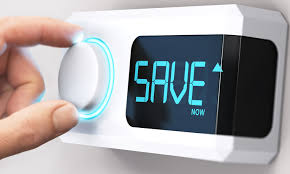
A smart thermostat learns your behavior and adjusts heating and cooling accordingly. It can help you avoid unnecessary energy use when you’re away from home and ensure optimal comfort when you’re present—all while contributing to sustainable living.

Sustainable Living at Home: Everyday Energy-Saving Habits

Living sustainably isn’t just about buying eco-friendly home appliances—it’s about embracing a lifestyle that prioritizes conservation, minimalism, and long-term thinking. Making your home energy-efficient is a great first step, but it’s equally important to develop habits that reinforce your green choices.

For example, unplugging devices when they’re not in use, using natural light during the day, and regularly maintaining your appliances can further reduce energy waste. Investing in solar panels, rainwater harvesting systems, or home insulation upgrades can also significantly boost your home’s sustainability profile.

When selecting energy-efficient appliances, always consider their full lifecycle impact—from production and usage to disposal. Opt for brands that follow ethical manufacturing practices, offer recycling programs, or use recycled materials in their products. Supporting these companies encourages the industry to innovate and prioritize sustainability.

Economic and Environmental Impact of Smart Home Sustainability

It’s worth noting that energy-efficient appliances not only benefit individual households but also have broader economic and environmental implications. By reducing demand on the electricity grid, they help prevent power outages and reduce the need for new power plants. This conserves valuable resources and helps stabilize energy prices.

Moreover, governments and environmental agencies often offer incentives such as rebates, tax credits, or subsidies to encourage the purchase of eco-friendly home appliances. These programs further lower the financial barrier to making the switch, making it easier for more people to join the green movement.

Over the years, research has shown that increased adoption of best energy-saving appliances can lead to significant reductions in national energy consumption. For example, if every household in the UK replaced just one outdated appliance with a high-efficiency model, the cumulative savings could power hundreds of thousands of homes each year.

Future of Eco-Friendly Home Appliances and Sustainable Tech

The future of home appliances lies in smarter, more connected ecosystems. The rise of the Internet of Things (IoT) is revolutionizing how we interact with appliances. Imagine a home where your washing machine communicates with the power grid to run during off-peak hours or your refrigerator alerts you when you’re running low on essentials—all while optimizing energy use in real time.

Artificial intelligence and machine learning are also making appliances more intuitive, further reducing energy wastage by adapting to your habits. These advancements are not just enhancing convenience—they’re laying the groundwork for the next generation of sustainable living.

Creating a sustainable home doesn’t require a complete lifestyle overhaul. Small, intentional choices—like switching to energy-efficient appliances—can have a powerful ripple effect on both your finances and the planet. As more people embrace eco-friendly home appliances, the collective impact will drive us closer to a cleaner, greener future.

Now is the perfect time to start your journey toward sustainable living. Whether you’re renovating your home or simply looking to reduce energy bills, investing in the best energy-saving appliances is a smart, forward-thinking decision. It’s not just about saving money—it’s about safeguarding the environment for future generations.

Uncategorised
The Rise of Smart Appliances – How Technology is Transforming Our Homes

The Rise of Smart Home Appliances in Modern Living

In the past, the idea of controlling your oven with your smartphone or asking a speaker to start your washing machine sounded like science fiction. Today, it’s the norm in many households. The rise of smart home appliances is redefining the way we live, cook, clean, and interact with our surroundings. These devices are not just about convenience; they’re about creating a more efficient, sustainable, and connected lifestyle.

From smart kitchen devices that prepare your morning coffee with a single voice command to energy-efficient appliances that reduce utility bills, smart technologies are turning ordinary houses into intelligent homes. As more consumers seek smarter, greener solutions, it’s no surprise that this market is booming.

Smart kitchen with touch screen panel and energy-efficient coffee maker
Person using smart home technology to control kitchen appliances with touchscreen interface

Understanding Smart Home Appliances and Their Role

Smart home appliances refer to devices that connect to the internet or other smart systems, enabling users to monitor and control them remotely—usually through a mobile app or voice command. These appliances include smart refrigerators, ovens, dishwashers, air conditioners, vacuum cleaners, lighting systems, and even thermostats.

They often use artificial intelligence and machine learning to understand user behavior and make predictive adjustments. For instance, a smart thermostat can learn your preferred temperatures during the day and adjust itself accordingly without needing input every time. This intuitive responsiveness enhances both convenience and efficiency.

Smart Kitchen Devices: Revolutionizing Culinary Spaces

Perhaps nowhere is this transformation more apparent than in the kitchen. Smart kitchen devices are elevating everyday cooking and food storage by offering features that simplify and automate tasks.

Smart refrigerators now come with internal cameras, letting you check their contents remotely via your phone while you’re shopping. Some models can suggest recipes based on what’s inside or even notify you when items are about to expire. Meanwhile, smart ovens can be preheated on your commute home, and some can scan barcodes on food packages to auto-set optimal cooking temperatures.

These innovations not only save time but also reduce food waste and energy consumption—making your kitchen more intelligent and sustainable.

The Benefits of Smart Home Appliances for Everyday Life

Why are so many people turning to smart home appliances? The answer lies in their many advantages, which blend convenience, safety, and eco-conscious living.

Smart appliances make everyday tasks easier. Whether it’s scheduling your washing machine to run at off-peak electricity hours or receiving alerts when your dryer cycle finishes, these features improve time management. Smart vacuum cleaners like Roomba can map your home and clean designated zones with precision.

Additionally, many smart home appliances offer enhanced safety features. Ovens and stoves can be turned off remotely, and smoke detectors integrated with your phone can send real-time alerts if there’s an emergency.

Convenience and Control Through Smart Kitchen Devices

Smart kitchen devices take the guesswork out of cooking and cleaning. Voice-activated assistants can help set timers, pull up recipes, and control devices hands-free. For those who love hosting, smart wine fridges can maintain perfect storage temperatures and even track inventory.

Moreover, with apps like Samsung SmartThings, LG ThinQ, and Google Home, managing all your smart kitchen appliances becomes centralized and effortless. A connected ecosystem helps you stay informed about appliance health, receive maintenance tips, and even get alerted when it’s time to order replacement parts.

This seamless integration transforms kitchens into connected culinary hubs, optimized for both novice cooks and culinary pros.

Energy-Efficient Appliances: Saving Money and the Planet

One of the most appealing aspects of smart appliances is their focus on energy efficiency. Many smart appliances are designed to operate at optimal energy levels, using just enough power to perform their tasks while reducing overall consumption.

Smart washing machines can sense the weight and type of laundry, adjusting water and energy usage accordingly. Smartly integrated dishwashers offer eco-modes that use less water. Smart HVAC systems can turn off automatically when you leave the house and resume operation when you’re on your way back.

The result? Lower utility bills and a reduced carbon footprint. For homeowners who care about sustainability, switching to energy-efficient appliances is a step in the right direction.

Smart Home Integration and Voice-Controlled Technology

What makes these smart appliances truly “smart” is their ability to integrate with a broader home automation ecosystem. Imagine your alarm clock triggering the blinds to open, your coffee machine to start brewing, and the lights in your bathroom to turn on—all without lifting a finger.

Voice assistants like Amazon Alexa, Google Assistant, and Apple Siri play a major role here. They can serve as the brain of your smart home, giving you full control of devices using simple voice commands. Want to dim the lights, start the dishwasher, and play your favorite playlist? Just ask.

With smart hubs and IFTTT (If This Then That) integrations, users can create routines like “Good Morning” or “Leaving Home,” which automate multiple devices based on specific triggers or schedules.

Future Trends in Smart Kitchen Devices and Energy-Efficient Appliances

As technology evolves, so does the potential of smart appliances. We’re seeing a growing trend toward AI-powered assistants that not only respond to commands but also anticipate user needs.

Manufacturers are exploring smart ovens that recognize food types and cook them accordingly, as well as smart fridges that order groceries for you when supplies run low. Smart mirrors in kitchens may offer guided recipes, display nutritional information, or sync with health apps to suggest meals based on dietary goals.

Another major trend is sustainability. The next generation of energy-efficient appliances will likely include solar-powered models and zero-emission features, pushing us closer to truly eco-friendly homes.

As 5G and edge computing become more widespread, smart appliances will be able to process data even faster and communicate more seamlessly, opening the door to even more intelligent living environments.

Are Smart Home Appliances Worth It?

If you’re wondering whether it’s worth investing in smart appliances, the answer depends on your lifestyle and priorities. If you value convenience, time-saving automation, energy efficiency, and long-term cost savings, then the investment is absolutely worthwhile.

Smart appliances may come with a higher upfront cost, but they often pay for themselves through reduced utility bills and better performance. Plus, the peace of mind and added safety features—like being able to remotely turn off your oven or receive alerts about water leaks—are priceless.

Building a Smarter Home, One Appliance at a Time

The rise of smart home appliances is more than just a passing trend—it’s a fundamental shift in how we live and interact with technology. From smart kitchen devices that help us cook smarter to energy-efficient appliances that protect the planet, this revolution is reshaping the modern home.

Whether you’re just starting your smart home journey or looking to upgrade your current setup, investing in smart appliances can elevate your comfort, save you money, and make daily routines smoother. As the technology continues to advance, smart homes will not just be a luxury—they’ll become the standard.

Uncategorised
Shopping For Appliances: What to Consider Before You Buy

Appliance shopping can be difficult, especially if you don’t know what to look for. Choosing the best appliance for you can be overwhelming with the wide range of brands, models, and features available. However, with a little bit of research and thoughtful consideration, you can quickly identify the appliance that best suits your requirements. We’ll go over some important things to think about when shopping for appliances in this blog post.

Size

The size is one of the first factors to take into account when purchasing an appliance. To make sure the appliance will fit properly, measure the area where it will be placed. It’s crucial to take the appliance’s capacity into account. Make sure the refrigerator you’re buying, for instance, can hold all the food you need to store.

Energy Efficiency

When choosing appliances, energy efficiency is a factor that consumers are paying more attention to. Energy-efficient appliances not only help you save money on energy costs, but they also lessen your carbon footprint. Look for appliances with an Energy Star rating, which certifies that they satisfy the government agency’s strict energy efficiency requirements.

Features

Another important factor is the appliance’s features. Consider the specific tasks you require the appliance to complete, then look for features that will make them simple and easy or more effective. When looking for a dishwasher, for instance, look for models with various wash cycles and movable racks to accommodate various dish sizes. When looking for a washing machine, take into account options for cycle selection and load size.

Brand Reputation

Another important factor is the appliance’s brand. Choose brands with a solid track record of quality and reliability. To find out what other customers have to say about their experiences with various brands and models, check out reviews and ratings online.

Price

When looking for appliances, price is always a significant factor. Ahead of time, decide your budget, and then search for appliances in that price range. Although you might be able to find less expensive appliances, keep in mind that they might not be as reliable or energy-efficient as more expensive models. However, you might not require every feature of a more expensive appliance and could save money by selecting a less complicated model.

Maintenance and Repairs

It’s important to consider an appliance’s maintenance and repair needs before you purchase it. Choose models with simple maintenance requirements and easy-to-clean surfaces. Verify the warranties and repair options offered by various brands and models. Make sure you are aware of the warranty’s duration and what it covers.

Style and Design

While style and design may not be as important as some of the other factors mentioned above, they can still be a consideration for many consumers. Consider the style and design of the appliance and whether it fits with the overall aesthetic of your home. Some brands and models offer a variety of colours and finishes to choose from.

Compatibility

It’s crucial to take compatibility into account if you’re buying multiple appliances. Make sure, for instance, that a refrigerator and a dishwasher you buy will work with the plumbing and electrical systems in your home.

Noise Level

Finally, take the appliance’s noise level into account. Some appliances have a loud sound, which can be a problem if your home has an open floor plan or if the appliance is placed in a shared area. Look for models that operate quietly or have noise-cancelling features.

Buying appliances can be overwhelming, but by taking these factors into account, you can reduce your options and identify the ideal appliance for your needs. Spend some time researching and comparing various brands and models before making a purchase. By doing this, you’ll be able to find an appliance that meets your needs, is durable and reliable, and is also within your price range. Don’t forget to take into account an appliance’s ongoing costs as well, such as energy use and upkeep, in addition to the initial purchase price.

When you’re prepared to buy something, make sure to shop around and compare prices offered by various retailers. Throughout the year, a lot of retailers run sales and promotions, so it pays to shop around for the best price. A floor model or an older model that is still in good condition that is available for less money may also be something you want to think about buying.

Once you’ve made your purchase, be sure to follow the manufacturer’s instructions for installation and use. This will help ensure that the appliance operates properly and lasts for as long as possible. Regular maintenance, such as cleaning and replacing filters, can also help prolong the life of your appliance.

In summary, shopping for appliances can be a time-consuming process, but it’s worth taking the time to consider the factors mentioned above to find the appliance that best meets your needs. Whether you’re shopping for a refrigerator, washing machine, or dishwasher, be sure to consider the size, energy efficiency, features, brand reputation, price, maintenance requirements, style and design, compatibility, and noise level. By doing so, you’ll be able to find an appliance that not only functions well, but also fits seamlessly into your home and lifestyle.


Check out our latest blog, ‘Incorporate Old Fashioned Radios Into Your Home

Uncategorised
How to Save Money on Appliances

Modern living is impossible without home appliances. They improve the comfort and ease of our lives while also saving us time and effort. However, the cost of purchasing and maintaining these appliances can be high. Fortunately, there are a few things you can do to reduce the cost of your household appliances. In this blog post, we’ll go over a few money-saving tips and tricks for buying household appliances on a budget.

1. Do your research before buying

It’s important to do your research on any purchases you plan to make. Look for ratings, reviews, and comments from users of the appliance. You can estimate how much electricity the appliance uses by looking at its energy efficiency rating. This information is available on the label or the manufacturer’s website. Also take into account the appliance’s cost, the features it provides, and the warranty.

2. Buy during sales

Another way to save money on household appliances is to buy during sales. Throughout the year, a lot of retailers run sales and promotions, especially around the holidays on days like Black Friday and Cyber Monday. Use these sales to your advantage to save money on your appliances. To learn about upcoming sales, you can also join the retailer’s email list.

3. Opt for older models

Appliances that are more recent tend to cost more, and sometimes the cost isn’t justified by the advantages. Many times, more affordable older models offer the same features and functionalities as more expensive newer models. In addition, used appliances can often be much less expensive than brand-new ones. Just be sure to give the appliance a thorough inspection before buying.

4. Consider energy-efficient appliances

Energy-efficient appliances are designed to use less electricity, which means you can save money on your utility bills in the long run. Look for appliances that have a high energy star rating. These appliances are certified to use less energy than their less efficient counterparts. Energy-efficient appliances may cost more upfront, but you’ll save money on your electricity bills in the long run.

5. Use your appliances efficiently

For instance, running full loads will cut down on the water your dishwasher uses. Additionally, avoid overloading your washing machine as this can damage the machine and increase its energy usage. Use the auto-dry setting on your dryer to prevent over-drying your clothes, which can lead to the appliance using more energy than is necessary.

6. Maintain your appliances regularly

Regular maintenance can help extend the lifespan of your appliances and save you money on repairs and replacements. Check your appliances regularly for any signs of wear and tear, and replace any parts that are damaged or broken. Clean your appliances regularly to remove any dirt or debris that may cause them to malfunction.

7. Repair instead of replacing

If your appliance breaks down, consider repairing it instead of replacing it. In many cases, repairs can be cheaper than buying a new appliance. Also, some appliance manufacturers offer warranties that cover repairs, so make sure to check if your appliance is covered.

8. Use appliances that are suitable for your needs

Investing in appliances that are appropriate for your needs can help you cut your energy costs. For instance, if you live alone, a large fridge or freezer might not be necessary. If you don’t cook frequently, you might think about purchasing a microwave instead of an oven. Over time, you can significantly reduce your energy costs by making these small adjustments.

There are numerous ways to reduce the cost of your home appliances. You can save money on household appliances by doing your research before making a purchase, shopping during sales, choosing older models, thinking about energy-efficient appliances, using your appliances wisely, maintaining them frequently, repairing rather than replacing, and using appliances that are appropriate for your needs. By putting these suggestions into practice, you can lower your energy bills, lessen your impact on the environment, and prolong the life of your appliances.

It’s essential to remember that when it comes to buying household appliances, cheaper isn’t always better. Appliances that are poorly made or low-quality may break down more often, leading to costly repairs or replacements. Before making any purchase, make sure to consider the long-term costs of owning the appliance, not just the upfront price.

Likewise, bear in mind that some appliances, such as washing machines and refrigerators, can last for a very long time. You can save money over time and avoid the hassle of having to replace appliances frequently by making an investment in high-quality appliances and performing routine maintenance on them.

Last but not least, remember to compare prices before making a purchase. In order to find the best prices, make sure to compare prices at various retailers. Consider purchasing appliances online as well, as many online retailers provide cheaper prices than traditional brick-and-mortar retailers.

In summary, you can reduce the cost of your household appliances by doing a little bit of planning, research, and smart usage. You can lower your costs, conserve energy, and lengthen the lifespan of your appliances by implementing the advice provided in this blog post. Happy shopping!


Check out our latest blog, ‘Shopping for Appliances: What to Consider Before You Buy‘.

Instagram