Do Air Purifiers Actually Work? What the Science Says
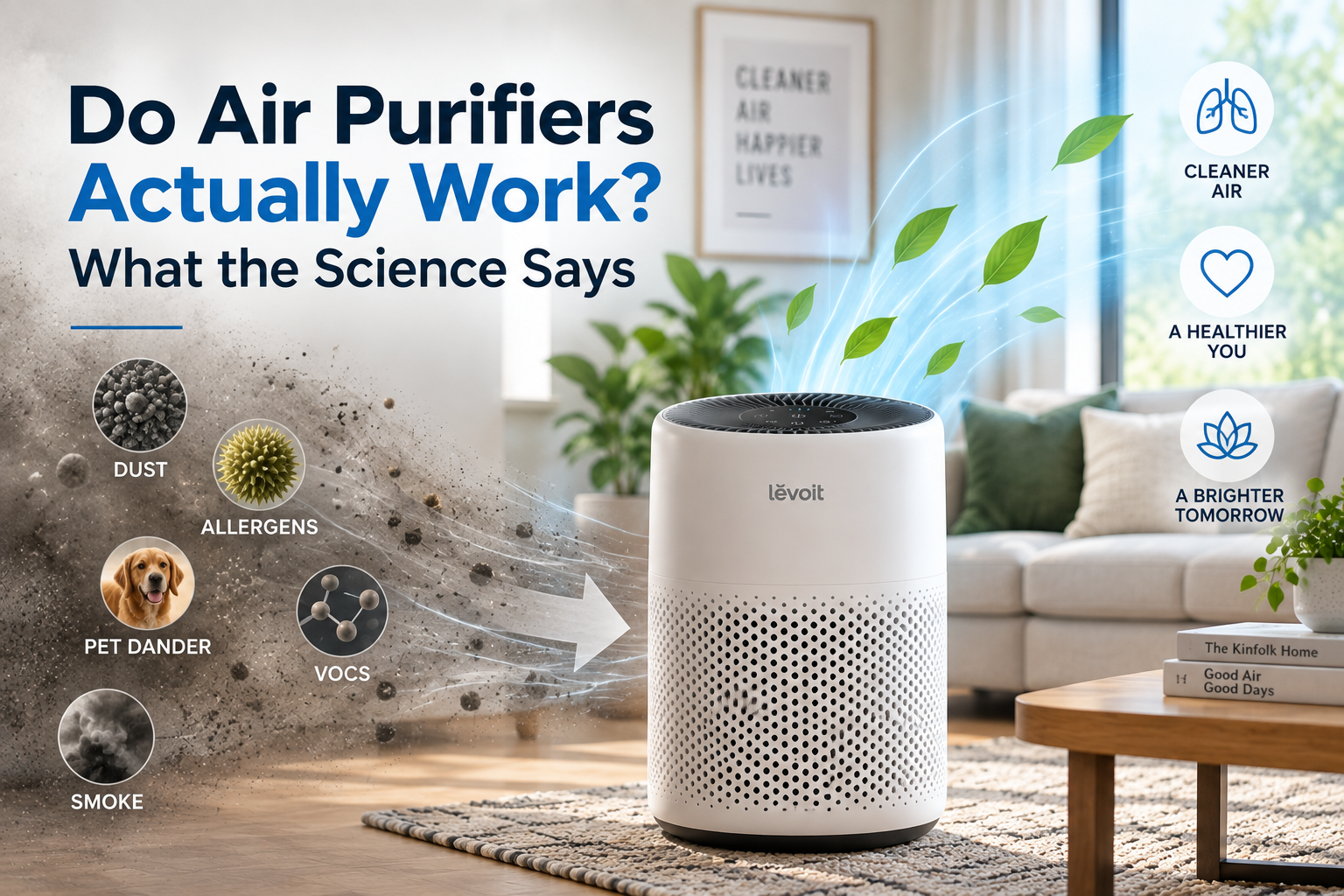
Air purifier marketing loves big promises “removes 99.9% of allergens,” “clinically proven,” “doctor recommended.” But strip away the marketing copy and ask a simpler question: does the actual research back any of this up? We went looking for what the science genuinely says about air purifiers, rather than what the box claims, so you can decide if one is actually worth buying.
What Air Purifiers Actually Do
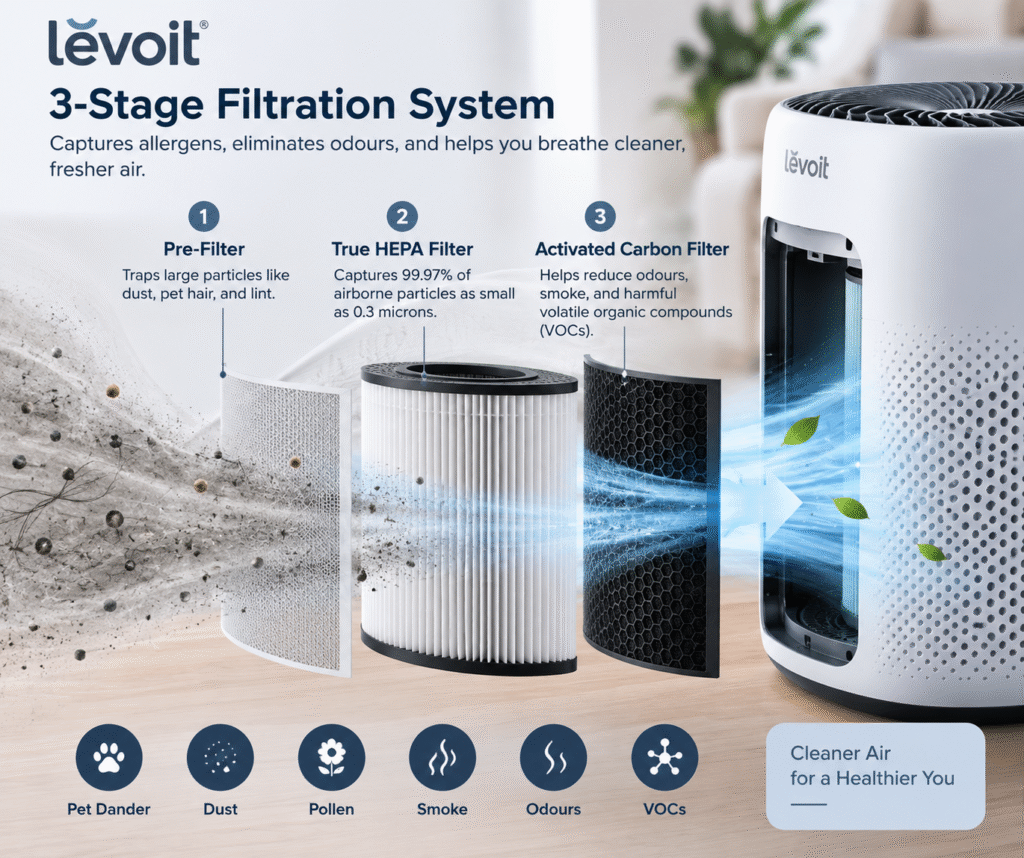
Strip away the branding and most air purifiers work on a simple mechanical principle: pull air through a filter fine enough to trap particles, then push clean air back out. The gold standard here is the HEPA filter, which the U.S. The Environmental Protection Agency defines it as capable of trapping at least 99.97% of airborne particles as small as 0.3 microns, a size range that covers most dust, pollen, pet dander, and even many bacteria and mold spores. That’s not a marketing number; it’s a genuine engineering standard, which is why “True HEPA” certification matters more than a purifier simply claiming “HEPA-style” filtration.
The Evidence for Asthma
This is where the research is strongest. In a review of multiple studies, the EPA found statistically significant improvement in respiratory health and allergy or asthma symptoms linked to air cleaner use. One 2023 study published in the Journal of Asthma placed HEPA air cleaners in school classrooms and found measurable lung function improvements in some students with asthma compared to classrooms without them. Dust mites are a particularly relevant trigger here research suggests that between 30% and 60% of children with asthma are sensitised to them, which is part of why reducing airborne particle load can genuinely help.
Air Purifier Benefits for Allergies: What’s Actually Proven
The honest picture on air purifier benefits for allergies is more nuanced than most product pages suggest. A 2020 analysis of studies involving people with allergic asthma found that air purifiers improved quality of life and reduced airway inflammation with genuinely positive results. But the same analysis found no consistent improvement in day-to-day symptoms, lung function, or medication use. In plain terms: purifiers can measurably help how people feel and reduce inflammation markers, without necessarily eliminating sneezing fits or letting you skip your antihistamine.
For specific allergens, the evidence gets more mixed. A widely cited 2010 study found HEPA filters may be effective for removing pet allergens specifically in uncarpeted rooms, or when combined with HEPA vacuuming on carpeted floors. However, a Cochrane review, one of the most rigorous forms of scientific evidence, concluded the evidence isn’t strong enough to confidently recommend air purifiers where pets live in the home of someone with a pet allergy. Dust mites and mold present a similar story: purifiers aren’t reliably effective at removing them directly, since these particles often settle into fabric and carpet rather than staying airborne, though reducing general airborne particulates can still offer some symptom relief.
Where the Evidence Is Weaker
It’s worth being upfront about the limits here, since a genuinely evidence-led answer has to include them. Air purifiers primarily clean airborne particles they do nothing for allergens already settled in carpets, bedding, or upholstery, which is why organisations like the American Academy of Allergy, Asthma, and Immunology are clear that purifiers are only one piece of a broader strategy. Ventilation, regular cleaning, and reducing allergen sources at home all still matter, arguably more than the purifier itself in isolation.
So, Are Air Purifiers Worth It?
Based on the actual research, the honest answer is: yes, but as a supplement, not a cure. The evidence is genuinely strong for reducing airborne particulate matter and supporting people with asthma, reasonably solid for general allergy symptom relief and quality of life, and weaker specifically for allergens that settle rather than stay airborne, like dust mites and pet dander in carpeted rooms. If you’re expecting a purifier to eliminate allergies entirely, the science doesn’t support that. If you’re expecting it to meaningfully reduce your airborne allergen load and support easier breathing alongside good ventilation and regular cleaning, that’s exactly what multiple independent reviews back up.
What to Look For If You Want the Proven Benefits
If the goal is genuinely getting the science-backed advantages rather than just a nice-looking device, a few things matter more than brand names: look for certified True HEPA filtration rather than vague “HEPA-style” claims, match the unit’s clean air delivery rate (CADR) to your actual room size rather than assuming bigger numbers always help, and run it consistently rather than only when you remember to, since the research behind these benefits assumes regular, ongoing use.
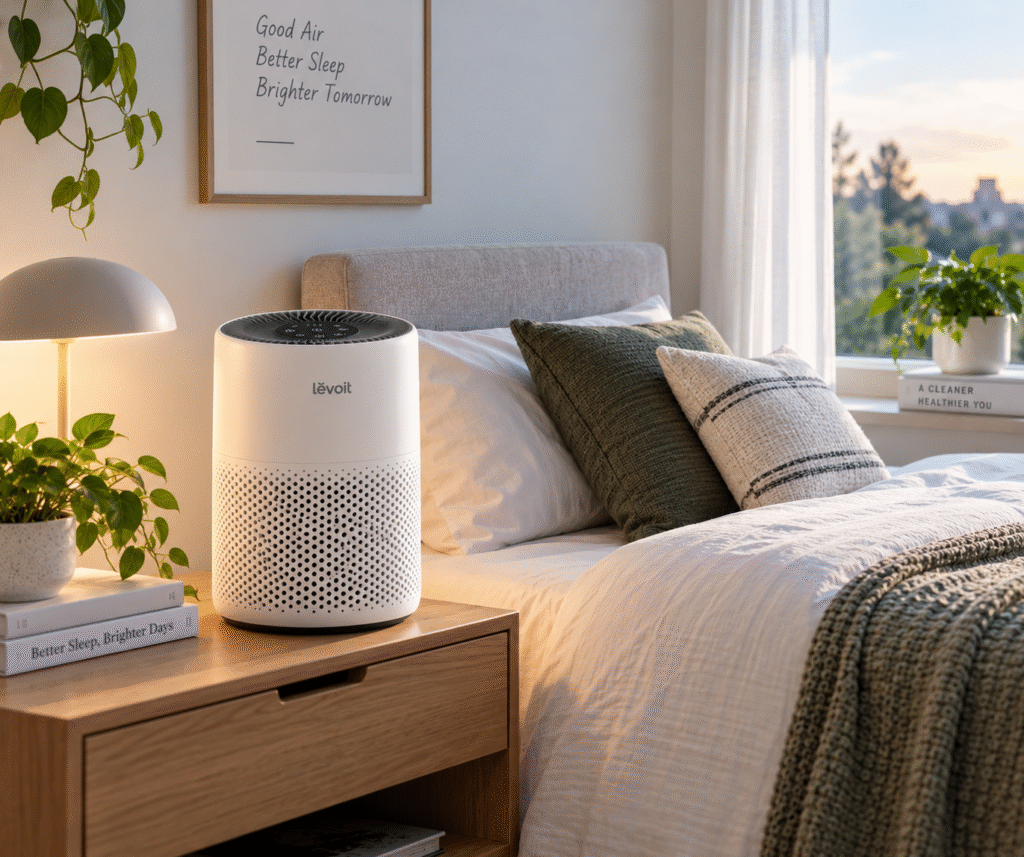
For smaller rooms, specifically bedrooms, nurseries, home offices a compact, quiet purifier tends to get used more consistently than a bulky unit people switch off because it’s noisy or in the way.
The Levoit Core Mini is a solid example of this approach: proper multi-stage filtration sized appropriately for small spaces, quiet enough to run overnight without a second thought.
The Bottom Line
Air purifiers aren’t snake oil, but they aren’t a miracle cure either. The genuine, research-backed benefit is a measurable reduction in airborne particulates that can support easier breathing, particularly for asthma, when used consistently and as part of a broader approach to indoor air quality not as a replacement for it. If you or a family member have a diagnosed respiratory condition, it’s worth discussing indoor air quality strategies with a doctor alongside any purifier purchase, since individual triggers and needs vary considerably.