Cleaning
Corded vs Cordless Vacuums: Which Cleans Better for Your Home?

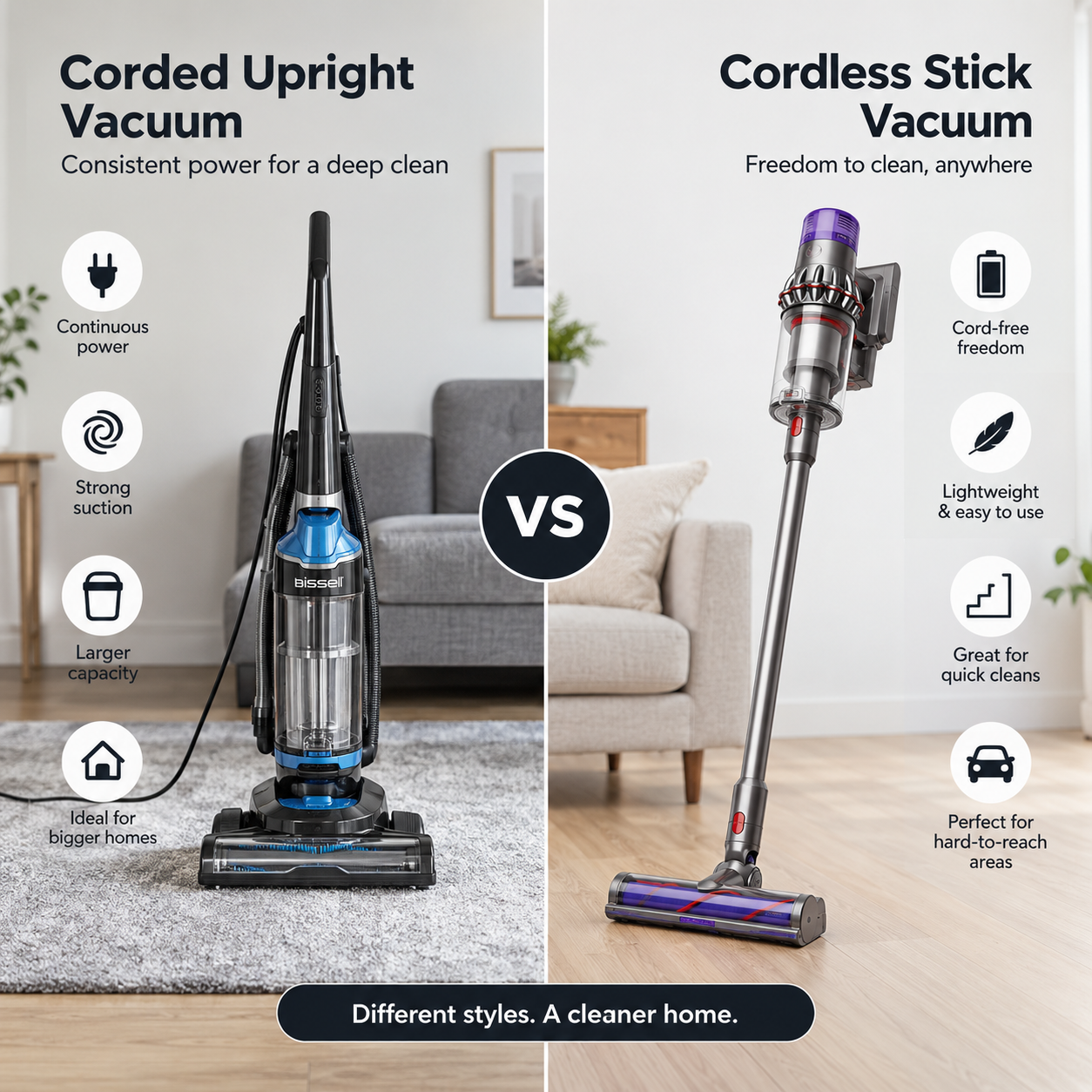
It’s one of the most common crossroads in vacuum shopping: do you go corded for uncompromising power, or cordless for freedom of movement? Both camps have loyal fans, and both have genuine downsides the marketing rarely mentions. Here’s an honest breakdown of how they actually compare, so you can pick based on your home rather than whichever ad you saw last.

The Quick Comparison

Corded VacuumsCordless Vacuums
PowerConsistent, unlimited runtimeStrong but battery-limited
RuntimeUnlimited (while plugged in)Typically 25–70 minutes
WeightHeavier, less portableLightweight, easy to carry
StorageBulkier, needs a cupboardCompact, wall-mountable
MaintenanceSimpler, fewer parts to chargeBattery care, charging routine
Best forLarge homes, deep cleansQuick cleans, tight spaces, stairs
Typical priceOften cheaper for the power you getPay more for portability

The Case for Corded

There’s a reason corded vacuums haven’t disappeared despite years of cordless hype: raw, consistent power. A corded machine like the Vax Air Stretch doesn’t have a battery ticking down while you clean  plug it in and it runs at full strength for as long as you need. The Air Stretch specifically pairs that with a genuinely long reach, combining a stretch hose and extended cord for up to 17 metres of coverage, so you’re not constantly unplugging and re-plugging as you move between rooms.
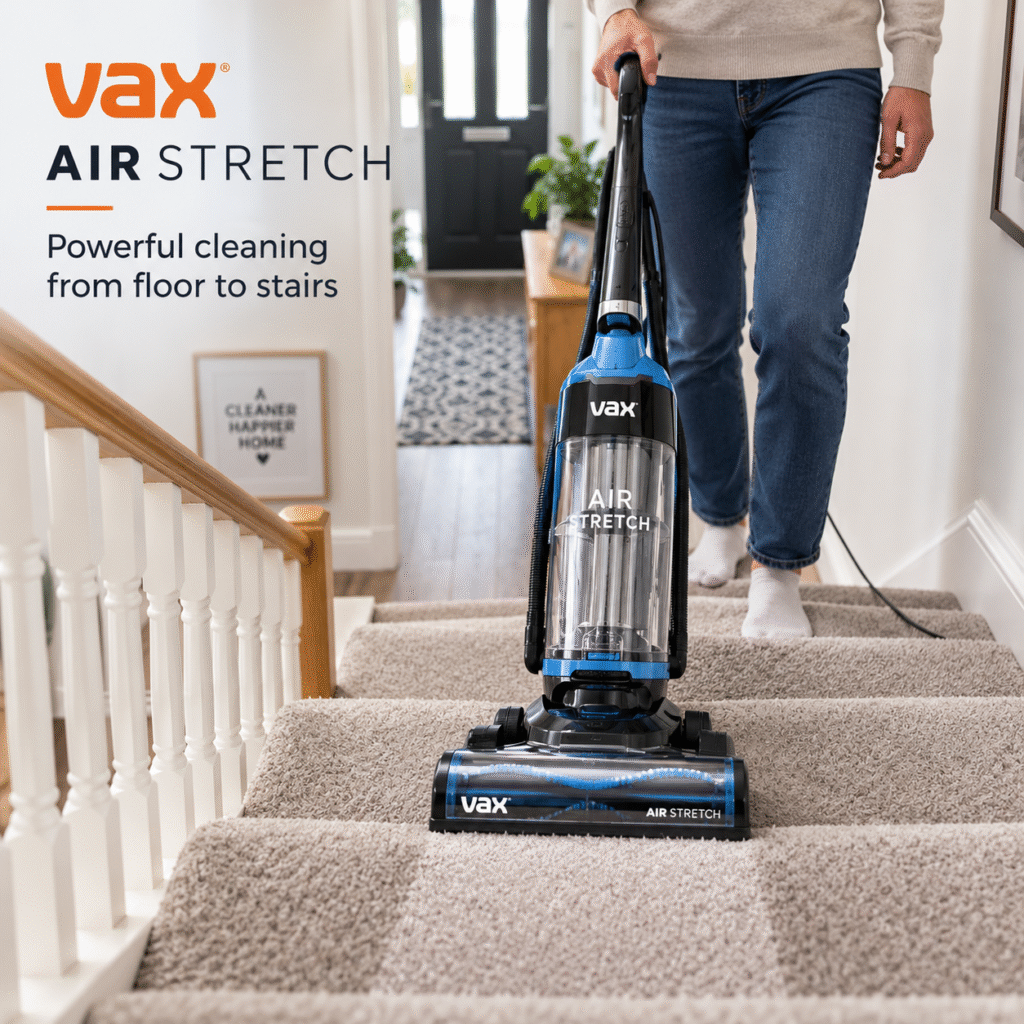
Corded uprights also tend to come with larger dust capacities; the Air Stretch holds 1.5 litres, roughly three times what most cordless sticks manage which matters if you’re doing a proper weekly deep clean rather than daily touch-ups. The trade-off is obvious: you’re tethered to a socket, and lugging an upright around multiple floors gets old fast if your home has stairs.

The Case for Cordless

Cordless vacuums solve the exact problem corded ones create: freedom of movement. No cord to trip over, no hunting for the nearest socket, and models like the Dyson V8 convert between stick and handheld in seconds, making them just as useful for a car interior or a sofa as they are for the living room floor. That flexibility is why cordless has become the default choice for quick, frequent cleaning rather than one big weekly session.

The catch is battery life. The V8, for instance, runs for around 40 minutes on standard power, dropping to roughly 25 minutes on Max/boost mode, plenty for a quick clean, but not always enough for a full house top-to-bottom without a recharge break. Dust bins also tend to be smaller on cordless models, meaning more frequent emptying during bigger jobs.

Upright Vacuum vs Cordless: Which Wins on Convenience?

This is really where the decision comes down to what “convenient” means for your home. An upright vacuum vs cordless comparison isn’t as simple as picking a winner; it depends on how you actually clean. If you do one thorough session a week and want to get it over with quickly on full power, an upright wins on efficiency. If you’re the type to do five-minute touch-ups throughout the week rather than one big clean, cordless wins by being ready to grab at any moment without setup.
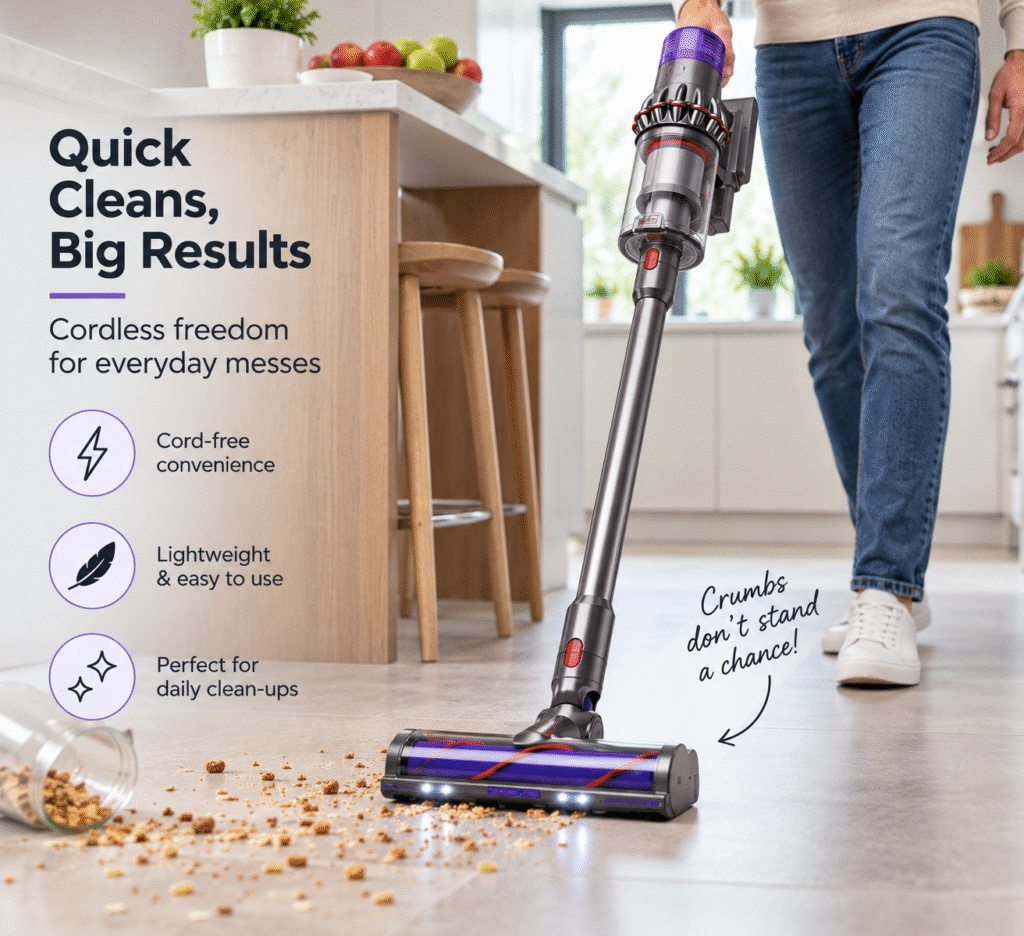
Storage matters here too  an upright needs a cupboard or utility space, while most cordless vacuums wall-mount neatly or tuck into a small corner.

So, What’s the Best Vacuum Type for You?

Here’s the honest breakdown by situation, since there’s no single best vacuum type that fits everyone:

  • Large home, mostly carpet, want one thorough weekly clean? Corded wins  you get unrestricted runtime and stronger sustained suction.
  • Small flat or open-plan home, want daily quick cleans? Cordless wins grab-and-go convenience beats raw power for frequent light cleaning.
  • Multiple floors or a lot of stairs? Cordless again  carrying an upright vacuum up and down stairs gets old fast.
  • Pet hair and allergies are a daily battle? Either works, but check filtration specifically  HEPA-equipped models (available in both corded and cordless ranges) matter more here than the cord question.
  • Budget is tight and you want maximum power per pound? Corded models like the Air Stretch typically deliver more raw performance for less money than a cordless equivalent.

Our Picks

Best corded pick – Vax Air Stretch A powerful, budget-friendly upright with a genuinely long reach and a large dust capacity  ideal for thorough weekly cleans across a full home.

“Check Price” for the Vax Air Stretch

Best cordless pick – Dyson V8 Lightweight, converts to handheld in seconds, and still delivers strong suction for daily quick cleans  a dependable entry point into cordless cleaning.

“Check Price” for the Dyson V8]

The Bottom Line

Neither corded nor cordless is objectively “better”  they’re built for different cleaning habits. If your priority is unrestricted power and a proper deep clean, corded still delivers more for less money. If your priority is convenience, flexibility, and cleaning little and often, cordless is worth the trade-off in runtime. The best move for a lot of homes, honestly, is owning one of each  a corded upright for the weekly deep clean, and a cordless stick for everything in between.
Cleaning
Vax Blade 4 Review: Is This the Best Budget Cordless Vacuum in the UK?

Cordless vacuums have a reputation for forcing a trade-off: pay flagship prices for genuinely good suction, or save money and put up with weak performance and a battery that dies halfway through the living room. The Vax Blade 4 has built its reputation on proving that trade-off wrong, and after digging into how it actually performs, it’s easy to see why it’s become one of Vax’s best-selling models.

The Quick Take

The Vax Blade 4 (part of Vax’s ONEPWR range) is a genuinely capable cordless vacuum built for small to medium UK homes that want reliable everyday cleaning without paying premium-brand prices. It brings strong multi-cyclonic suction, a swappable battery, and a generous accessory bundle  with the trade-offs mostly showing up in refinement rather than raw performance. https://amzn.to/3UsdZUg

What’s in the Box

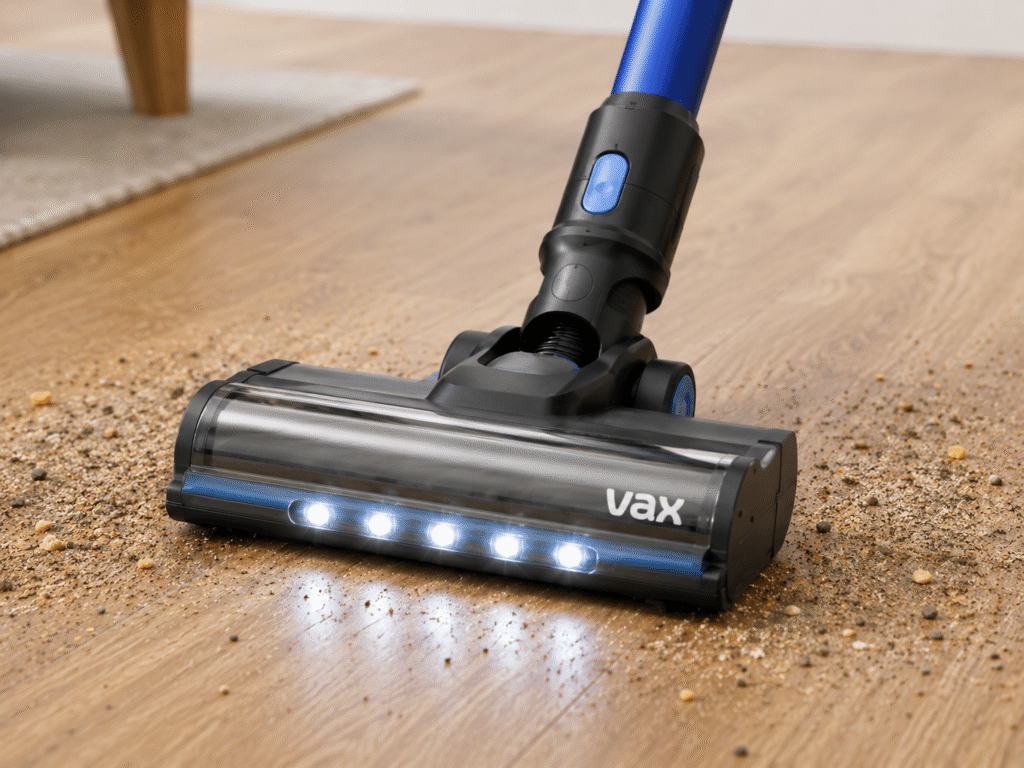
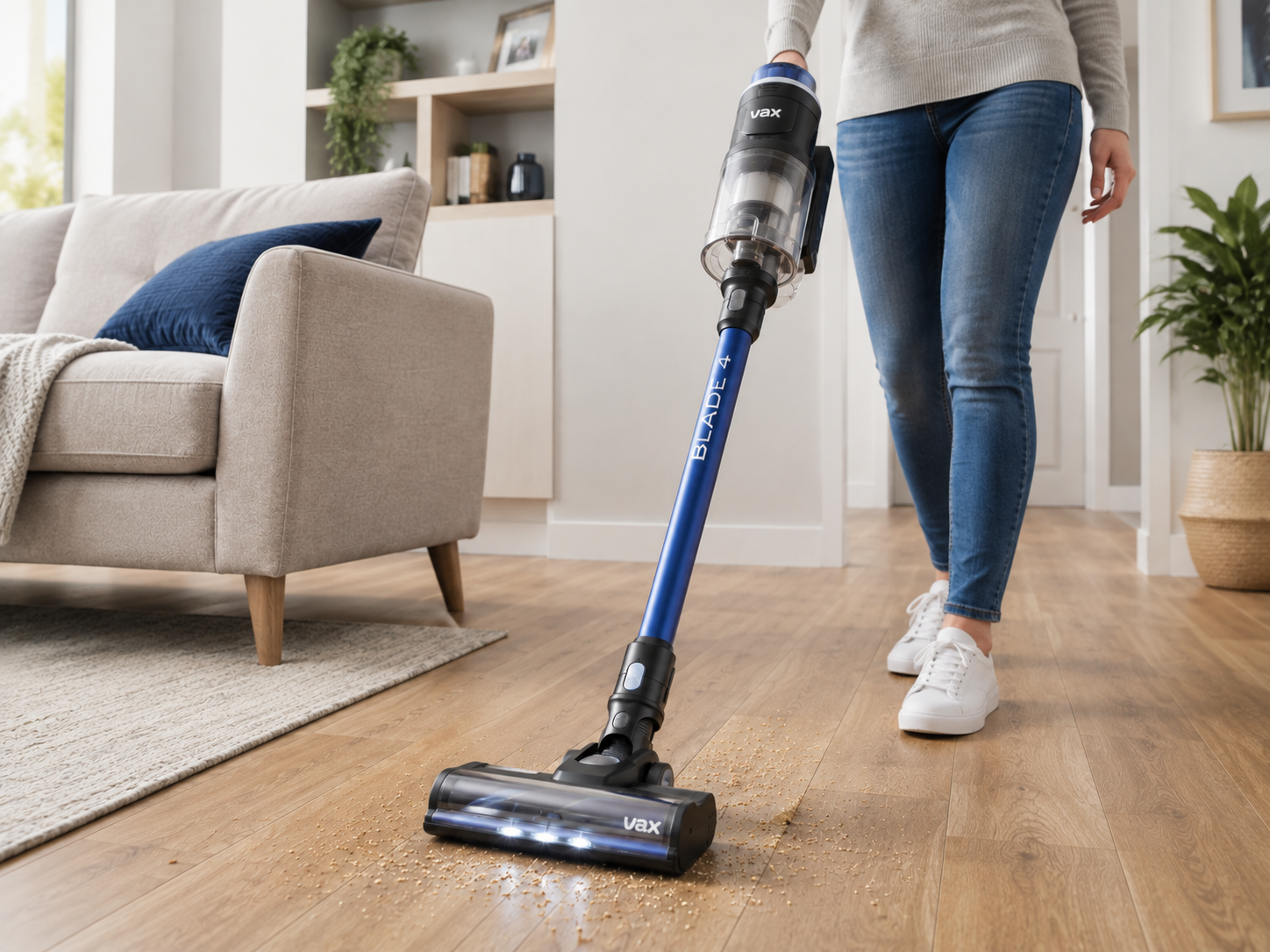
One thing that sets the Vax Blade 4 apart from similarly priced rivals is just how much comes in the box as standard. You get a powered floorhead, a crevice tool, a dusting brush, and a wall mount, a fairly generous starting kit compared to competitors that charge extra for attachments. The floorhead also includes LED headlights, a small but genuinely useful touch for spotting dust and debris on darker flooring or under furniture.

Suction and Cleaning Performance

This is where the Blade 4 earns its “does everything most homes need” reputation. Multi-cyclonic suction handles everyday crumbs, dust, and pet hair confidently across both carpets and hard floors, and a Boost mode is available for a deeper clean when you need it  some testers have found Boost mode can be almost too powerful for lightweight rugs, which says more about how much headroom it has than anything else. The 0.6-litre dust container is larger than many similarly priced competitors, meaning fewer stops to empty it during a full clean.

Battery Life and the ONEPWR System

Battery life sits at up to 45 minutes on standard power  comfortably ahead of several similarly priced rivals and even some pricier competitors. What makes this genuinely useful in practice is that the battery is detachable and swappable, part of Vax’s wider ONEPWR platform. That means not being tied to wall-mounting the vacuum directly next to a socket, and the option to buy a spare battery for longer sessions without a mid-clean charging break. A full charge takes roughly 2–3 hours, which is reasonable for the category.

Design, Weight, and Manoeuvrability

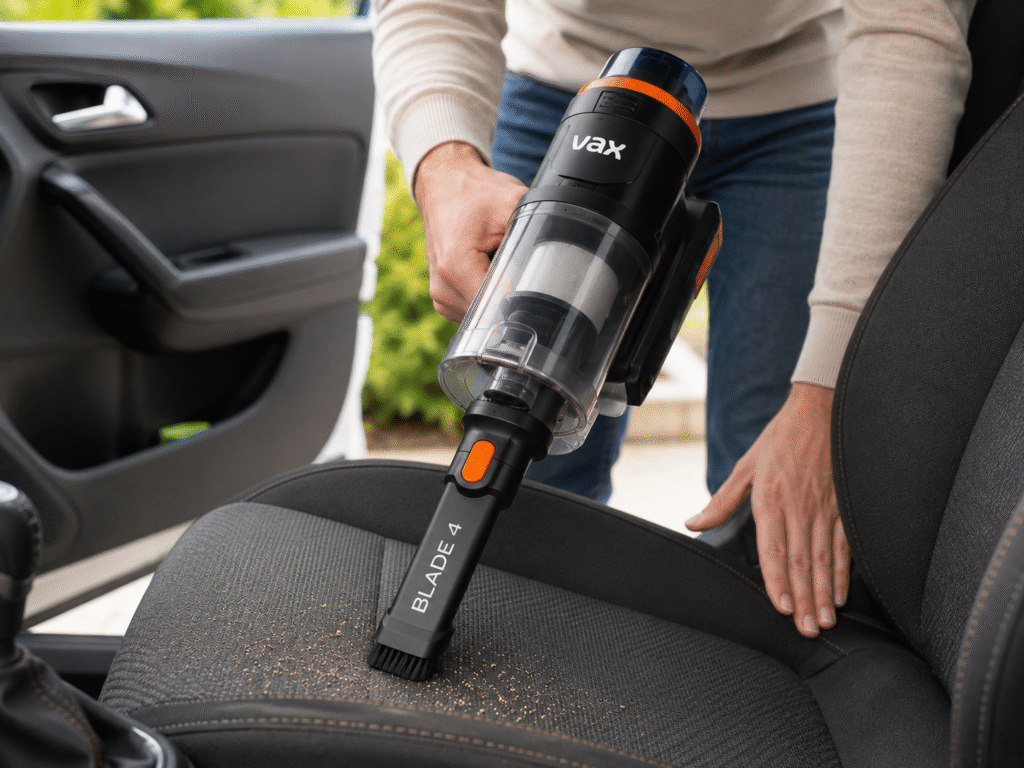
At around 2.8 — 3.1kg depending on the exact model variant, the Blade 4 sits in a comfortable middle ground  light enough for everyday use, though it can start to feel heavy during longer handheld sessions like cleaning a car interior or stairs. It converts from upright stick to handheld mode easily, which extends its usefulness well beyond floors. One design quirk worth knowing: the fixed tube design means you can’t steer the floorhead by tilting your wrist while it’s flat against the floor, the way you can with some rival models, which makes manoeuvring around furniture legs slightly more effort than it needs to be.

Where It Falls Short

No vax cordless vacuum review would be complete without the honest trade-offs, and there are a few worth knowing before you buy:

  • No HEPA filtration. The CleanAir filtration system traps general dust well, but allergy sufferers who specifically need HEPA-certified filtration may want to look elsewhere.
  • No standalone charging dock. You’ll need to wall-mount it or find a safe spot for it to lean, rather than it self-parking like some pricier models.
  • Emptying can be fiddly. The dust container sometimes needs a hand inside to clear stubborn debris rather than emptying cleanly with a shake.
  • It’s on the louder side. Not the quietest cordless vacuum on the market, particularly in Boost mode.

Vax Blade 4 vs the Competition

Against pricier rivals like the Dyson V11, the Vax Blade trades a bit of outright refinement and battery runtime for a noticeably lower price  and for most everyday cleaning needs, that trade is a sensible one. Compared to similarly priced competitors, the Blade 4’s larger 0.6-litre bin and swappable battery are genuine advantages, even if it can’t quite match premium-brand build polish. If you’re shopping specifically in the sub-£250 vax blade cordless category, it remains one of the strongest all-round options.

Final Verdict

The Vax Blade 4 delivers exactly what its reputation suggests: dependable, no-nonsense cordless cleaning without the premium price tag. It won’t out-refine a flagship Dyson, and allergy sufferers or anyone wanting a self-standing dock may want to look elsewhere  but for small to medium UK homes that want strong suction, a swappable battery, and a genuinely useful accessory bundle, it’s hard to find better value in this price bracket.

Cleaning
Dyson V8 in 2026: Still Worth Buying? Long-Term Review

The Dyson V8 first launched back in 2016, which in vacuum years makes it practically ancient. And yet, a decade on, it’s still sitting on shelves as one of Dyson’s entry-level cordless picks  which raises the obvious question: is it still holding up, or is it just coasting on brand recognition while newer models quietly outclass it? We dug into the specs, the trade-offs, and where it still makes sense in 2026.

The Quick Take

The Dyson V8 is no longer Dyson’s most powerful or most advanced cordless vacuum  not by a long way. But it’s also significantly cheaper than the rest of the lineup, lightweight, and still delivers genuinely strong suction for everyday cleaning. If top-of-the-line tech isn’t a priority and you want reliable Dyson engineering at a lower price point, it remains a sensible pick.

https://amzn.to/4xxmtYX

What You’re Actually Buying

Strip away the marketing and the V8 is a straightforward machine: a lightweight cordless stick vacuum at roughly 2.6kg, with a compact 0.52-litre dust bin and a washable filter. It converts from stick to handheld in seconds, which is still one of its most practical features for cleaning stairs, car interiors, or upholstery without switching tools. The build quality has held up well across the years  this is a machine Dyson has had a full decade to refine manufacturing on, and it shows in how solid it feels compared to some newer budget competitors.

Battery Life: The Honest Number

Dyson V8 battery life is the specific stat most buyers search for, and it’s worth being upfront about it: expect around 40 minutes of runtime in standard mode, dropping to roughly 25 minutes if you switch to Max/boost power for a deeper clean. A full recharge takes about 5 hours. That’s noticeably shorter than newer Dyson models, which now commonly offer 50–70 minutes or more. The bigger limitation, though, isn’t the runtime itself  it’s that the V8’s battery is fixed rather than swappable, so once it starts degrading with age, you can’t simply pop in a spare the way you can on newer models.

How It Compares to Newer Dyson Models

Dyson V8Dyson V11/V15Dyson Gen5detect
Runtime40 min (25 min Max)60+ min70+ min
BatteryFixedFixed/swappable (model dependent)Swappable
ControlsTriggerTriggerButton
DisplayNoneLCD screenLCD screen
SuctionStrong, entry-levelHigherHighest
PriceLowest in current lineupMid-rangePremium

The gap is real; newer models bring auto-adjusting suction, on-screen feedback, and button controls instead of the V8’s hold-down trigger. But that gap is exactly what you’re paying to close, and for a lot of homes, the V8 already does the job well enough that the upgrade isn’t essential.

Is There a New V8 Now?

Worth clearing up before you shop: Dyson released a redesigned Dyson V8 Cyclone in late 2025, which shares the name but isn’t just a repaint of the original. It brings a more powerful motor, a larger swappable battery, and simple on/off button controls instead of the trigger. If the fixed battery and trigger design are dealbreakers for you, it’s worth checking whether the listing you’re looking at is the classic V8 or this newer Cyclone version before you buy, since pricing and specs differ between them.

Dyson V8 vs the Cordless Vacuum UK Competition

The cordless vacuum UK market has gotten considerably more competitive since the V8 launched, with Shark, Samsung, and Tineco all pushing genuinely strong alternatives at lower price points than Dyson’s newer models. Where the V8 still holds an edge is in raw build quality and consistent suction  Dyson’s cyclone technology remains a benchmark the competition is still chasing. But if you’re shopping purely on runtime and features per pound spent, it’s no longer an automatic win for Dyson the way it was a few years ago.

Pros and Cons

Pros:

  • Strong, consistent suction from Dyson’s cyclone technology
  • Lightweight and comfortable for extended use
  • Converts to handheld in seconds
  • Solid build quality after a decade of refinement
  • The cheapest entry point into the Dyson cordless range

Cons:

  • Shorter runtime than newer models (25–40 minutes)
  • Fixed, non-swappable battery
  • Small dust bin needs frequent emptying
  • No LCD display or auto-adjusting suction
  • Still holding a trigger for the full clean isn’t comfortable for everyone

https://amzn.to/4zPalUB

So, Is the Dyson V8 Still Worth Buying?

If you’re after Dyson-level suction without paying Dyson-flagship prices, the V8 still earns its place  especially for smaller homes, apartments, or as a secondary vacuum for quick daily cleans. Where it starts to struggle is larger homes needing longer runtime, or anyone who specifically wants the swappable-battery convenience newer models offer. A decade in, it’s not the newest tool in the shed, but it’s still a genuinely capable one.

FAQ

How long does the Dyson V8 battery last? Around 40 minutes on standard power, or about 25 minutes on Max/boost mode, with a full recharge taking roughly 5 hours.

Is the Dyson V8 still worth buying in 2026? Yes, particularly for smaller homes or as a secondary vacuum.  It offers strong suction at the lowest price point in Dyson’s current cordless lineup, though newer models offer longer runtime and more features.

What’s the difference between the Dyson V8 and newer Dyson models? Newer models offer longer battery life, swappable batteries, LCD displays, and button controls instead of a trigger, but cost significantly more.

Can you replace the battery on a Dyson V8? The original V8’s battery is fixed rather than user-swappable, unlike many newer Dyson models  though Dyson does offer official battery replacement services once the original starts to degrade.

Is the Dyson V8 good for pet hair? Yes, its cyclone suction and de-tangling brush bar handle pet hair well, though the small 0.52-litre bin means more frequent emptying in pet-heavy homes.

Cleaning
Are Robot Vacuums Worth It? Pros, Cons and Costs Explained

You’ve probably had this debate with yourself while scrolling past yet another robot vacuum ad: is this actually going to change how you clean, or is it a £200 gadget that ends up stuck under the sofa within a month? It’s a fair question, and the honest answer is: it depends entirely on your home, your floors, and how much you actually hate vacuuming. Let’s break down the real costs, the genuine upsides, and where robot vacuums still fall short.

What a Robot Vacuum Actually Costs

Price is usually the first thing people get wrong they assume “robot vacuum” means one price bracket, when really it’s three very different products wearing the same label.

TierPrice RangeWhat You Get
BudgetUnder £150Basic suction, sensor-based navigation, manual bin emptying
Mid-range£150–£400Stronger suction, app control, some mapping, longer runtime
Premium / Omni£500–£1,200+LiDAR mapping, self-emptying base, mopping, self-washing dock

The jump in price almost always buys you convenience, not just cleaning power. A £120 budget model and a £150 mid-range model might clean your floors almost identically; the £150 one just does it with a better app and a bit more polish. It’s only once you get into the £500+ “omni” category that you’re paying for genuinely different technology.

The Case For: Why People Swear By Them

The appeal is simple once you actually live with one:

They’re genuinely good with pet hair now. Brushless designs (like the ones on budget models such as the Lefant M210) avoid the tangling that used to be the biggest complaint about robot vacuums.

It happens without you thinking about it. Scheduled cleans mean floors get done daily instead of “whenever I get round to it.”

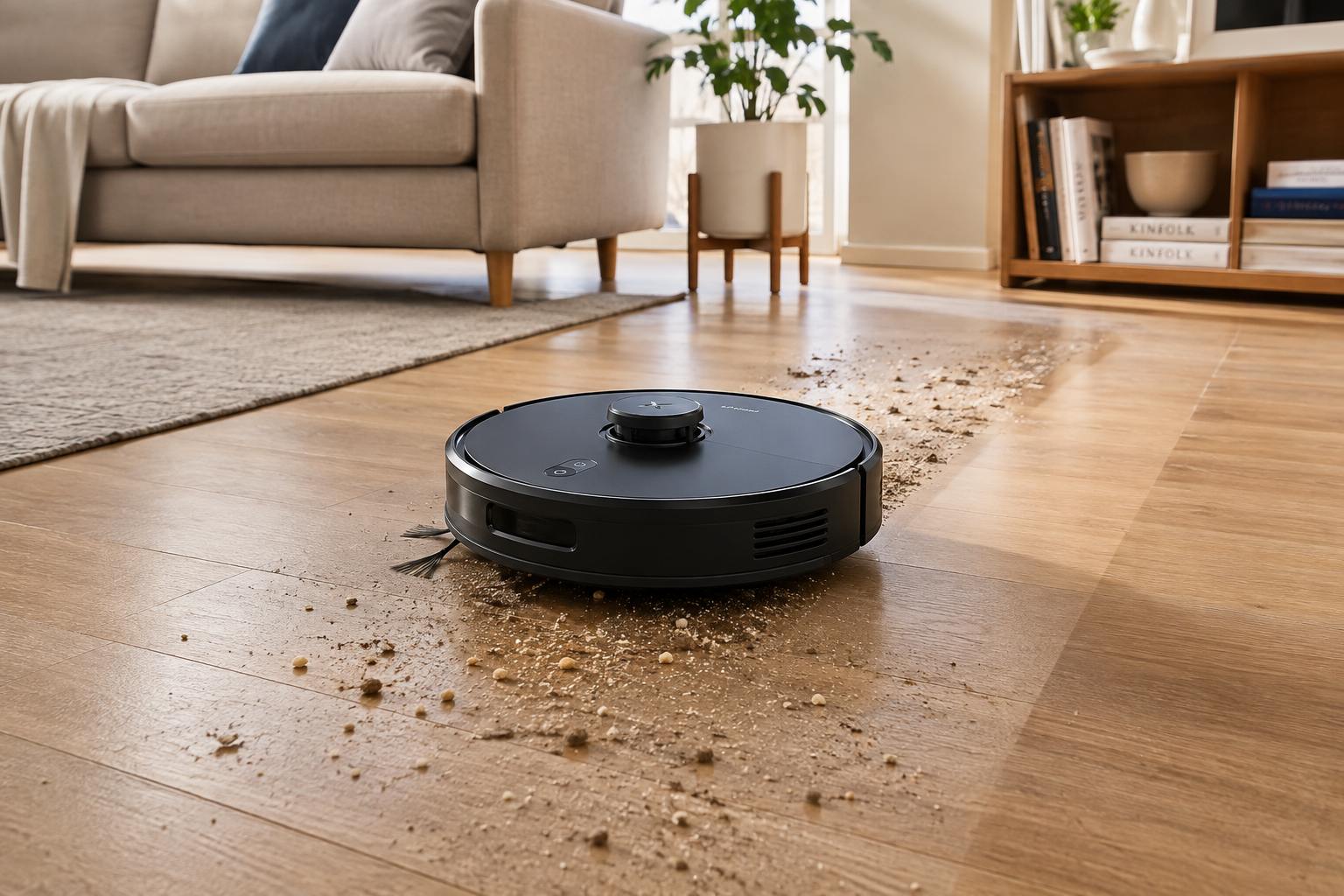
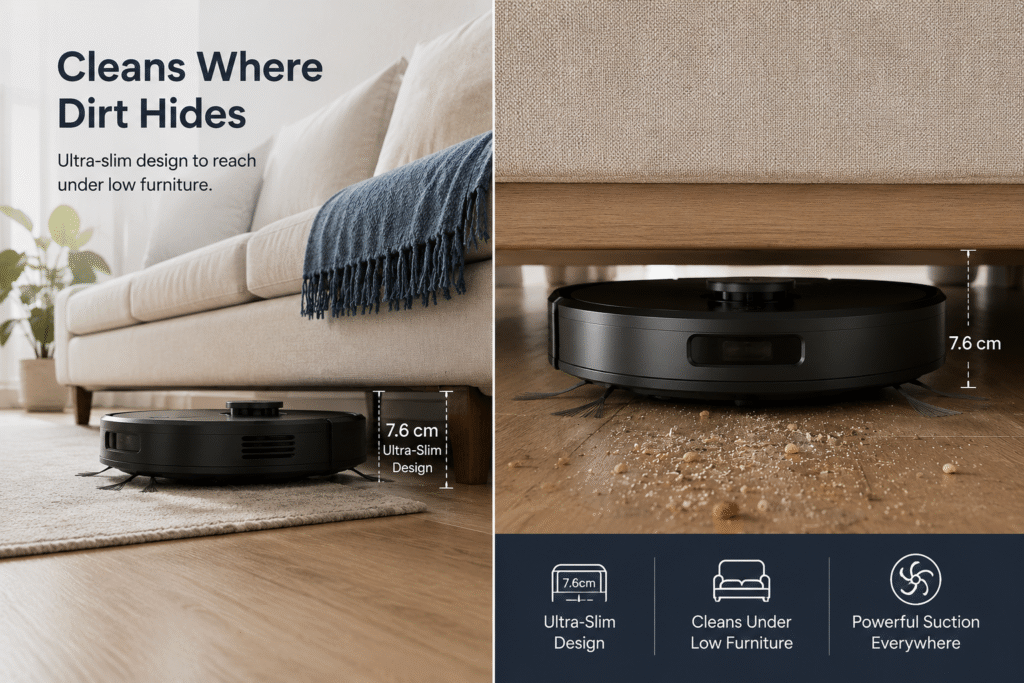
They reach places you don’t. Under beds, under sofas, behind toilets low-profile bodies get into gaps a normal vacuum head can’t.

Maintenance habits improve. Because it’s doing small, frequent cleans, dust and pet hair never get the chance to build up the way they do between weekly manual vacuum sessions.

The Case Against: Where They Fall Short

This is the part most reviews skip, so here’s the honest robot vacuum pros and cons picture:

  • They’re not a replacement for deep cleaning. Thick rugs, stairs, and upholstery still need a proper upright or handheld vacuum.
  • Budget models can’t map your home. Cheaper vacuums (like the M210) rely on real-time sensors rather than stored maps, which means less efficient cleaning in large or complex layouts.
  • Maintenance isn’t zero. Brush rolls, filters, and sensors all need occasional cleaning skip this and performance drops fast.
  • Clutter is the enemy. Cables, shoes, and toys left on the floor genuinely trip up even expensive models.

Robot Vacuum vs Normal Vacuum: What’s the Actual Difference?

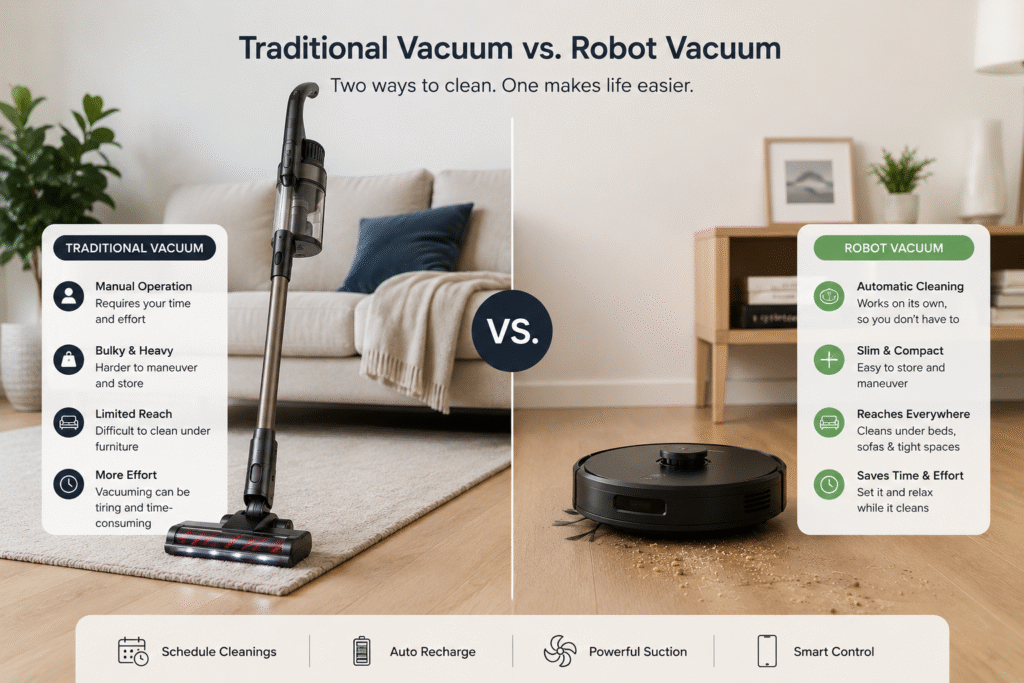
This isn’t really an either/or decision, and treating it that way is where a lot of buyers go wrong. A normal vacuum (upright, cylinder, or stick) still wins on raw suction power, edge-to-edge coverage on stairs, and deep-cleaning thick carpet. A robot vacuum wins on frequency and effort. It’s the difference between a floor that’s “clean enough” every single day versus “properly clean” once a week when you get round to it.

Most people who are happy with their robot vacuum aren’t the ones who ditched their normal vacuum entirely; they’re the ones using the robot for daily maintenance and keeping a stick vacuum for the occasional deep clean.

Beyond Vacuuming: The Rise of the “Omni” Robot

If you’ve seen the term omni robot vacuum floating around, it refers to the newest category of all-in-one systems  vacuums that dock into a base station that empties the dustbin, refills water for mopping, and even washes the mop pads automatically. The Ecovacs X1 is one of the models that helped popularise this category, combining vacuuming and mopping with a base station that handles almost all the maintenance itself.

This is genuinely where the “worth it” question shifts. At the budget and mid-range level, you’re weighing convenience against price. At the omni level, you’re paying for near-total hands-off cleaning  which is a very different value proposition, and one that only makes sense if daily maintenance is something you’d otherwise never get round to.

So, Are Robot Vacuums Worth It?

Here’s the honest breakdown by situation:

  • Small flat, mostly hard floors, tight budget? Yes, a budget model earns its keep fast.
  • Family home with pets and mixed flooring? Yes, especially if you get one with strong suction and app scheduling.
  • Large multi room house, want it to genuinely replace regular vacuuming and mopping? Only if you’re willing to spend at the omni level  anything less will frustrate you.
  • You barely vacuum manually as it is? A robot vacuum won’t fix that habit gap on its own, but it will quietly do more than nothing ever did.

Our Picks by Budget

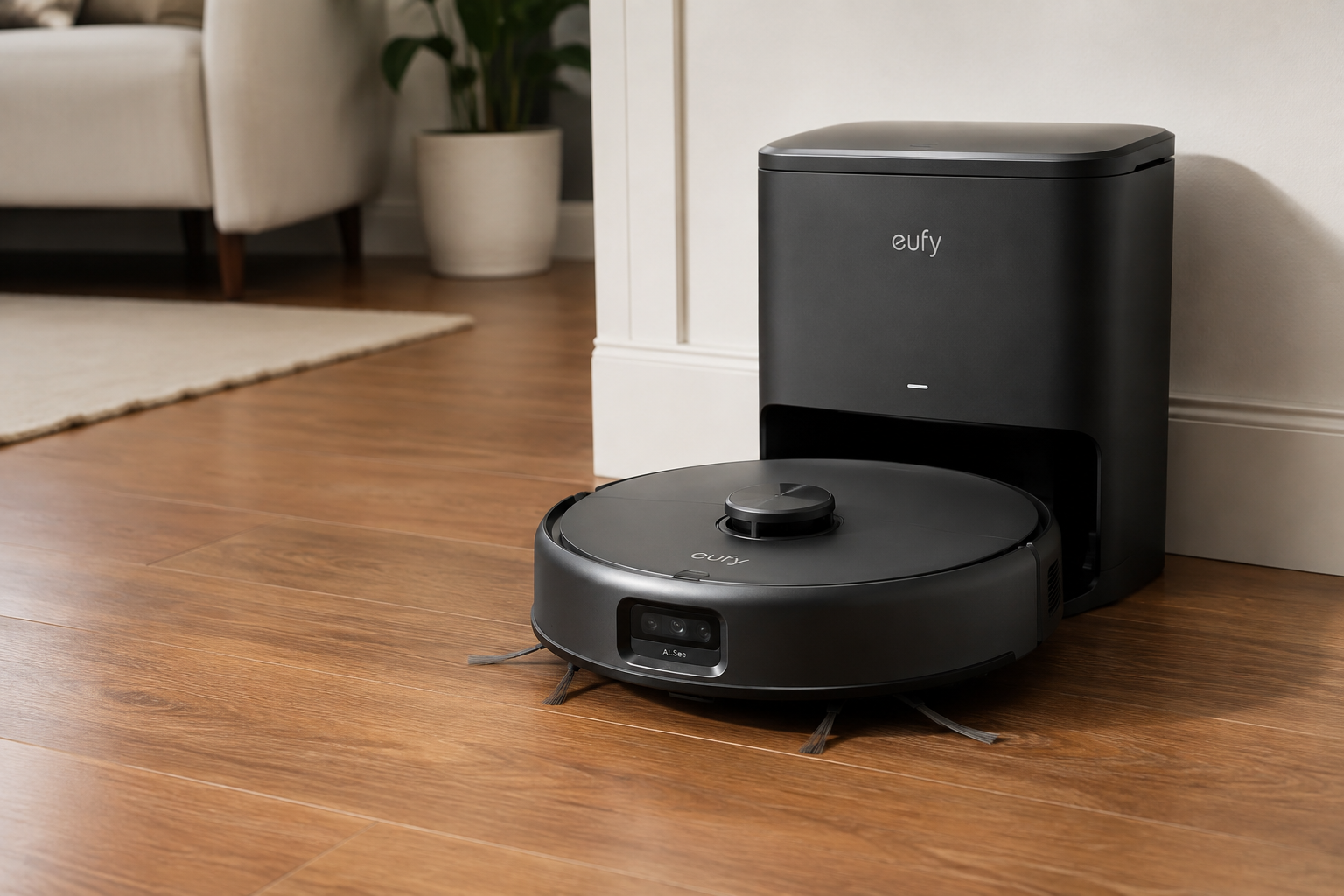
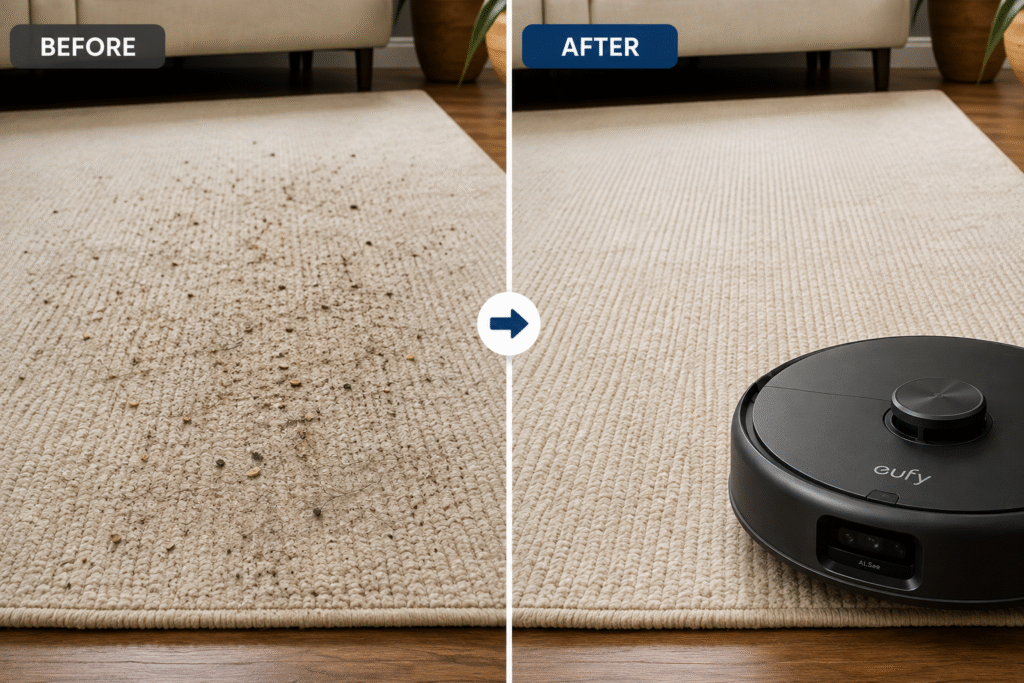
Best budget pick – Eufy Robot Vacuum Quiet, strong suction for the price, and one of the easiest apps to use. A smart entry point if you’re testing whether robot vacuums fit your routine. to find more about eufy robot vacuum check out our other blog that covers it more depth
https://amzn.to/4qABFlp

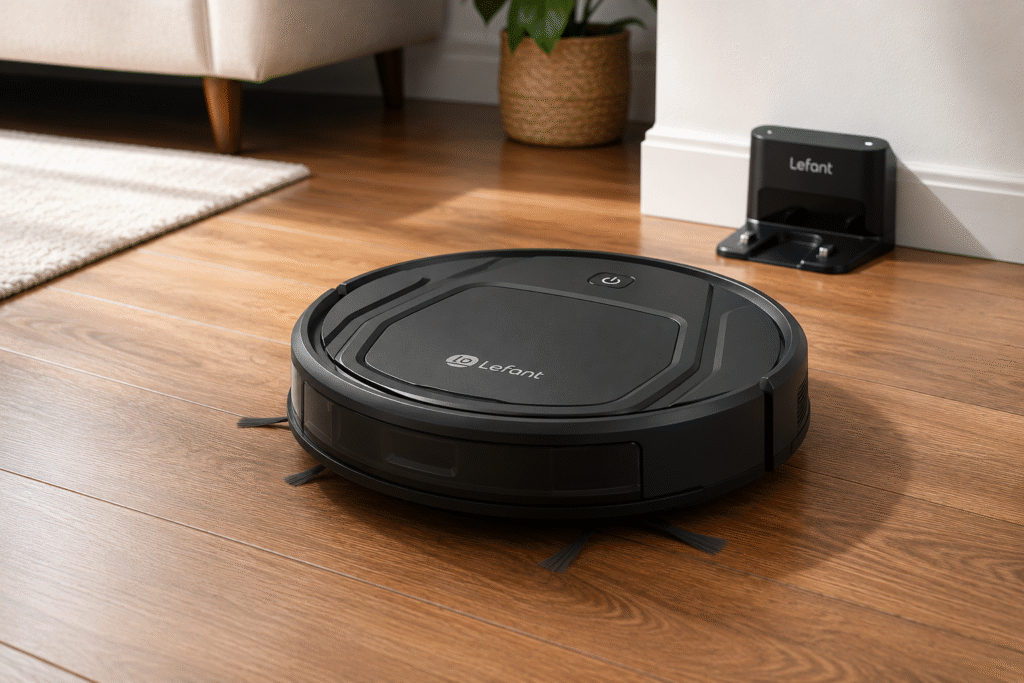
Best ultra-budget pick – Lefant M210 Brushless suction, tangle-free design, and a genuinely usable app, built for smaller homes without the premium price tag. To know more about Lefant check out the blog that covers in depth
https://amzn.to/4y1urJp

Best mopping add-on – iRobot Braava If your robot vacuum doesn’t mop, the Braava handles hard floors separately, giving you a proper two-step clean without paying omni-tier prices.
https://amzn.to/4hU5mM2

The Bottom Line

So, are robot vacuums worth it? For most homes, yes but “worth it” depends on matching the tier to your actual living situation rather than chasing the flashiest model. Start with what your floors and budget actually need, and the rest of the decision gets a lot simpler.

Cleaning
Lefant M210 Review: The Best Robot Vacuum Under £229?

Here’s the problem with shopping for a “budget” robot vacuum: half of them are budget because they’re actually bad, and the other half are budget because the brand just hasn’t marked up the price yet. The Lefant M210 falls into the second camp  and after digging into what’s actually under the hood, it’s easy to see why it keeps showing up on best-budget lists.

At a Glance

SpecLefant M210
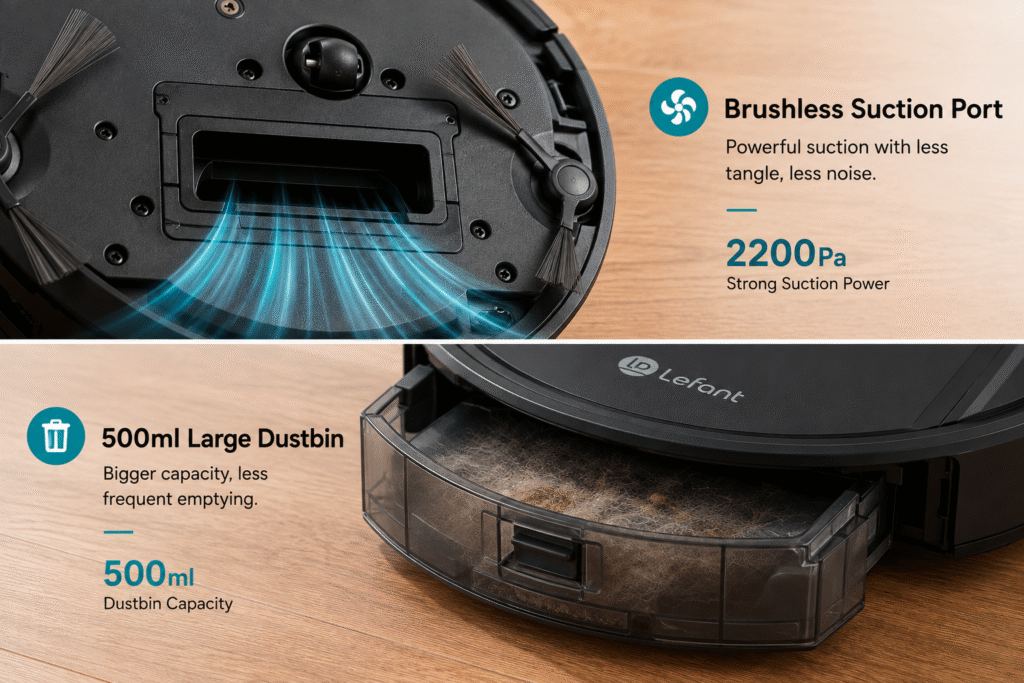
Suction power2,000–2,200 Pa
Dustbin capacity500ml
Battery typeLithium iron phosphate
RuntimeUp to 120 minutes
Height2.99 inches
Weight3kg
NavigationInfrared sensors (no LiDAR mapping)
App controlYes (Lefant App)
Voice controlAmazon Alexa, Google Assistant
Self-emptyingNo
Best forSmall medium homes, hard floors, pet owners

https://amzn.eu/d/00Plz4zR

Should You Buy It? The Short Answer

Buy it if:

  • Your home is a flat, studio, or single open-plan floor
  • You mostly have hard floors or low-pile carpet
  • You have pets and want a brush that won’t tangle
  • You want app and voice control without paying flagship prices

Skip it if:

  • You live in a large, multi-room house
  • Your floors are mostly thick, deep-pile carpet
  • You specifically want a self-emptying dock

What It’s Actually Like to Use

Unbox the M210 and the first thing you notice is how low it sits  at under 3 inches tall, it disappears under sofas, bed frames, and kitchen units that a normal vacuum head can’t touch. It’s light too, around 3kg, so lifting it out for a spot-clean doesn’t feel like a chore.

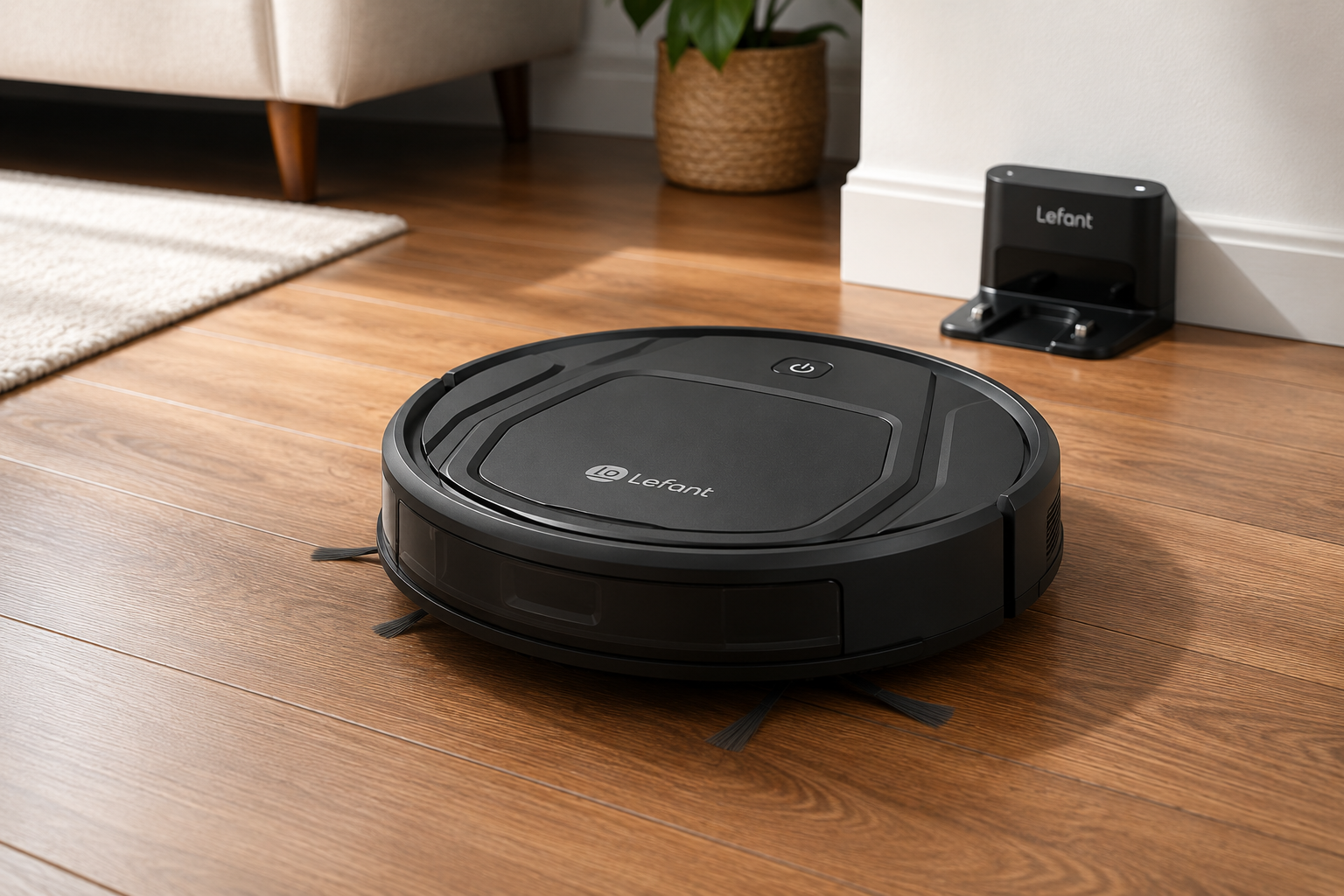
Set it running and the brushless suction port does the work that a roller brush usually handles on other budget models. That’s a deliberate design choice, not a corner cut: without a roller, there’s nothing for pet hair or long hair to wrap around and jam, which is usually the first thing to break on cheap robot vacuums. Pulling 2,000–2,200 Pa of suction through that port, it handles crumbs, dust, and pet hair on hardwood and tile in a single pass, and the 500ml bin paired with a HEPA filter means you’re not emptying it every day or breathing the dust straight back out.

Where it starts to show its price tag is navigation. There’s no LiDAR here; the M210 uses FreeMove 3.0 and 6D infrared sensors to detect obstacles and reroute as it goes, rather than building and storing a map of your home. In a one-bedroom flat or open-plan floor, you won’t notice much difference. In a sprawling, multi-room house, it’ll take longer and cover ground less efficiently than a mapped vacuum would.

The Lefant App is a pleasant surprise. Scheduling, suction adjustment, cleaning history, and manual driving are all in there, and it’s genuinely easy to navigate. Alexa and Google Assistant both work reliably too, so hands-free start-up isn’t just a box-ticking feature.

Battery life is a real strength: up to 120 minutes on low suction, which covers most small-to-medium homes in one go, with auto-return-to-dock when it’s running low. The catch is there’s no self-emptying base at this price you’re emptying the bin by hand after each run.

https://amzn.to/4wJf6x3

How It Stacks Up

Lefant M210Typical £150–200 rivalTypical £400+ flagship
Suction2,000–2,200 Pa2,500–3,000 Pa8,000+ Pa
MappingNoSometimes (basic)Yes (LiDAR)
Self-emptyingNoRarelyOften
Pet-hair friendlyYes (brushless)VariesYes (anti-tangle brush)
Best forSmall flats, budget buyersMid-size homesLarge homes, hands-off cleaning

The pattern is clear: you’re not paying for mapping or automation here, you’re paying for solid, dependable suction and a genuinely usable app in a compact body. For the size of home it’s built for, that trade-off works.

The Verdict

The Lefant M210 isn’t trying to be a flagship, and that’s exactly why it works. It’s a budget robot vacuum UK buyers can pick up without feeling like they’re compromising on the basics  suction, app control, and battery life are all solid. Where it asks you to compromise is navigation intelligence and hands-off automation, and for a small-to-medium home, most people won’t miss either.

If you’ve got a bigger house full of thick carpet, save up for something with mapping. If you’re furnishing a flat, a studio, or a single-floor home and want dependable daily cleaning without the premium price tag, this is one of the smartest Lefant robot vacuum picks available right now.

https://amzn.to/4hXfByV

Cleaning
Eufy Robot Vacuum Review: Quiet, Affordable, But Is It Any Good?

If you’ve been scrolling through robot vacuum listings and keep landing on the same brand, you’re not imagining it. Eufy has quietly become one of the go-to names for anyone who wants automated cleaning without a flagship price tag. But “affordable” and “actually good” don’t always go together — so in this Eufy robot vacuum review, we’re breaking down exactly what you get for your money, where it falls short, and whether it deserves a spot in your home.

Quick Verdict

If you want the short version: the eufy vacuum cleaner range punches well above its price point on suction and quiet operation, the companion app is genuinely easy to use, and it handles pet hair and everyday dust better than most vacuums at this price. It’s not going to out-map a £1,000 flagship, but for most UK homes, it doesn’t need to.

Check out the Eufy Vacuum here!

Who Makes Eufy, and Can You Trust the Brand?

Eufy is the smart-home arm of Anker, a company best known for reliable chargers and power banks  which matters more than it sounds. It means the engineering behind the motor, battery, and sensors comes from a brand with a track record in hardware, not a no-name reseller. Eufy entered the robot vacuum space to offer serious cleaning tech at a fraction of the cost of the big names, and that positioning still holds today.

Design and Build Quality

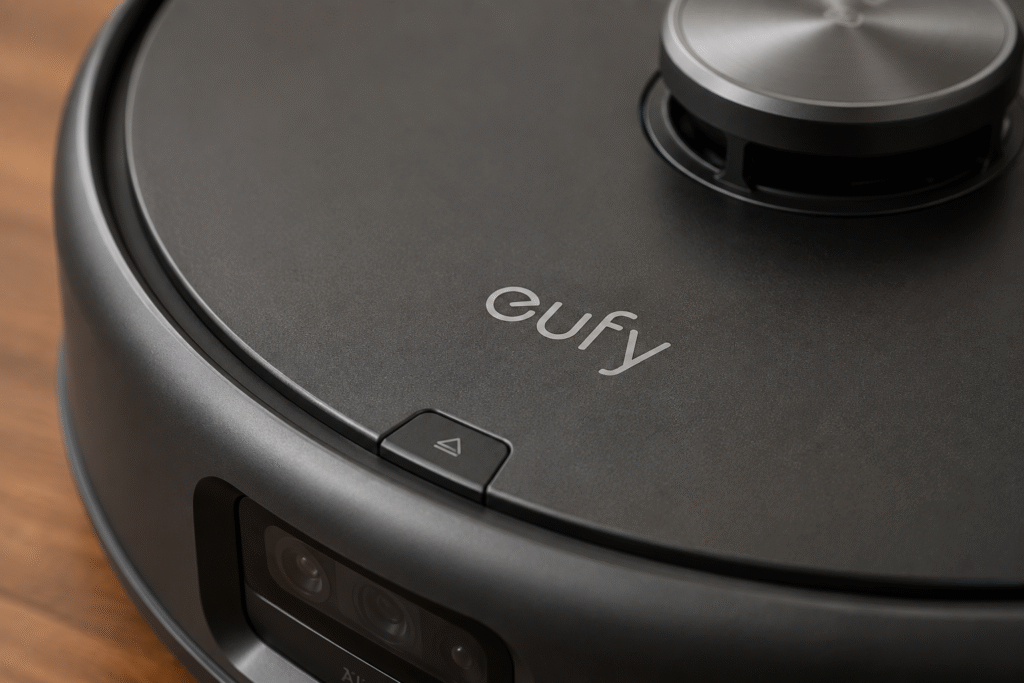
Out of the box, the build feels sturdier than the price suggests. The low-profile design (many models sit under 3 inches tall) means it slides comfortably under sofas, beds, and kitchen units  areas that regular upright vacuums simply can’t reach. The matte finish resists fingerprints and scuffs better than the glossy plastic used on some competitors, and the dustbin pops out cleanly for emptying without the fiddly latches you get on cheaper alternatives.

Suction Power and Cleaning Performance

This is where an eufy robovac review UK audience really wants answers, and it’s the strongest part of the package. Depending on the model, suction ranges from solid everyday performance up to genuinely powerful territory that rivals vacuums costing two or three times as much. On hardwood and tile, it picks up crumbs and dust in a single pass. On carpet, boost technology kicks in automatically, ramping up power the moment it detects a change in floor texture  a small feature that makes a noticeable difference if your home mixes flooring types.

Pet owners in particular tend to rate this range highly, since anti-tangle brush designs on newer models cut down on the hair-wrapping mess that plagues cheaper robot vacuums.

check out the price!

Is It Actually Quiet?

Noise is one of the most searched concerns for robot vacuums, and it’s right there in the headline for a reason. Running at standard power, most Eufy models sit in a noise range comparable to a normal conversation — noticeably quieter than budget competitors that sound more like a hairdryer. It only gets loud on max suction mode, which most users only need for a deep weekly clean rather than daily runs. If you work from home or have a baby napping upstairs, this is one of the areas where Eufy genuinely delivers on its promise.

Smart Features and App Experience

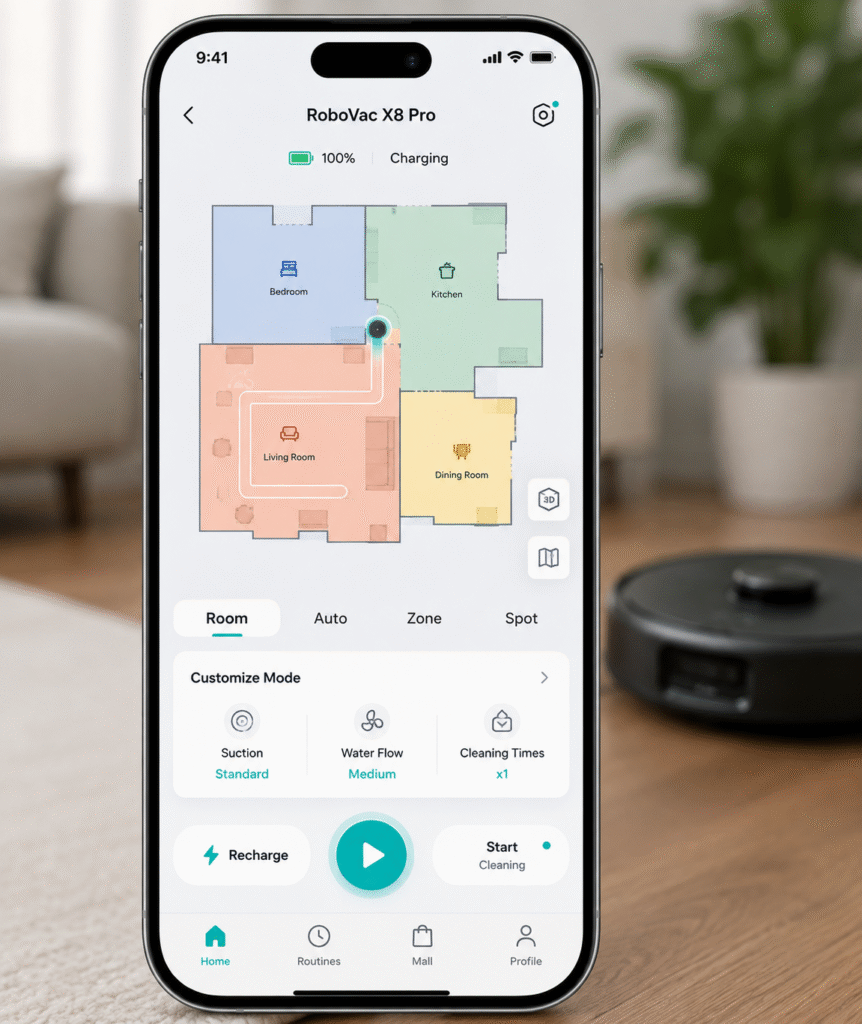
The Eufy Clean app is refreshingly uncluttered. Room mapping, no-go zones, scheduling, and cleaning history are all easy to find without digging through menus. Voice control via Alexa and Google Assistant works reliably, and setup typically takes under ten minutes from unboxing to first clean.

Where it loses a few points against premium rivals is obstacle avoidance — it handles cables and shoes reasonably well but isn’t as sharp at spotting small objects as the top-tier AI-powered models from other brands.

Battery Life and Runtime

Most models comfortably cover a mid-sized UK home (up to around 2,500 sq ft) on a single charge, with runtimes typically between 100–180 minutes depending on suction mode. Self-return-to-dock charging is standard, and higher-tier models in the range add self-emptying stations that mean you can go weeks without touching the dustbin.

Pros and Cons

Pros:

  • Strong suction for the price point
  • Genuinely quiet on standard mode
  • Simple, intuitive app
  • Slim profile reaches under furniture
  • Reliable brand backing from Anker

Cons:

  • Obstacle avoidance trails premium competitors
  • Higher-end features (self-emptying, mopping) cost extra
  • Mapping can occasionally miss awkward room layouts

Final Verdict

For most UK households, this eufy robot vacuum range hits the sweet spot between price and performance. It won’t outclass premium flagships on mapping intelligence, but for everyday cleaning, quiet operation, and genuine convenience, it’s hard to beat at this price point.

Cleaning
5 Best John Lewis Appliances for a Cleaner Home

Why John Lewis?

Keeping your home neat and tidy is more than simply a daily task; it’s a necessity for living a healthy lifestyle and comfortable. With suitable appliances, this process may be finished more quickly, easily, and efficiently. With so many products on the market, it’s important to focus on trustworthy businesses that provide reliability, value, and innovation.

In this sense, John Lewis stands out.

Known for its commitment to excellence and outstanding client service, John Lewis offers a wide range of home appliances designed to keep your living space cleaner for a better and cleaner home.

John Lewis offers products for every home and price range, from air conditioners that enhance indoor air quality to vacuum cleaners that makes your apartment clean.  In addition to being extremely strong, these appliances are stylish and simple to operate. Having the appropriate equipment may make all the difference, whether you’re handling everyday mess, seasonal cleaning, or extensive home repair.

Best Washing Machine Quality

Laundry is one of the most necessary duties at home, and this portable washer makes it much easier. The John Lewis JLWM5845 can effectively handle daily loads because to its 1400 rpm spin speed and 8 kg load capacity.
It is appropriate for small and medium-sized households looking for quiet operation and performance.
This model’s energy efficiency rating ensures lower utility costs over time, and its extensive selection of wash programs suits various fabric types and cleaning needs. You may cleaning gym equipment, delicate textiles, or large towels, this machine gets the job done without creating a lot of noise.

It mixes in effectively with modern utility rooms because to its simple form and user-friendly digital display. This washing machine has been made of strong materials and comes with excellent customer care from John Lewis makes it a smart and practical choice.

One of a Kind; the John Lewis Clothes Streamer : Philips 3000 Series 

When it comes to keeping clothes smooth and wrinkle-free, a clothes steamer offers convenience and quickness. The compact, lightweight Philips 3000 Series STH3020/16 steamer is perfect for daily usage or quick touch-ups before a trip. Its clean white design makes it ideal for modern houses with minimal space.

In just 30 seconds, this steamer is ready to use and efficiently removes wrinkles without the need for an ironing board. Upholstery, curtains, and delicate garments can all benefit from the continuous steam generation because it is gentle on materials. It’s a practical item that makes maintaining a neat wardrobe easy.

Because it is portable and lightweight, the Philips 3000 Series is an essential item for everyone who values simplicity and flair.

A Cleaner Home, Means having a Good Quality Vacuum
Vacuum from John Lewis

A high-quality vacuum cleaner is essential in controlling dust and pollutants. The Bosch Series 2 Bagless Vacuum Cleaner is robust, portable, and easy to store. Its compact dimensions and powerful suction make it ideal for medium-sized homes and apartments.

Its bag-less design reduces costs and simplifies maintenance. A flexible hose and a lengthy cable length guarantee wide reach without frequent socket replacements. Its multi-floor head effectively manages both hard surfaces and carpets.

The washable filter technology is great solution for anyone with pets or allergies. This vacuum offers excellent performance without sacrificing energy efficiency or comfort. It’s a reasonable choice for regular cleaning needs.

The Best Pet Grooming Solution

Even though pet grooming might be untidy, the Neakasa P2 Pro Dog Grooming Vacuum keeps fur and debris under control while providing your pet with a comfortable grooming experience. Because this all-in-one solution. And contains a vacuum element that collects hair as it is clipped, your house will be cleaner after using it.

The grooming set comes with a number of brushes and nozzles suitable for different types of coats. Because it works well with both large and small dogs, it is a versatile addition to pet homes. Due to the low noise level, pets stay calm and relaxed while being groomed.

This vacuum not only cleans dogs but also prevents fur from flying across the house. sensible investment if you value cleanliness and ease as a pet owner.

Freestanding Dishwasher, Clean Steel

Dishwashing is made easy with the Miele G7600 SC Freestanding Dishwasher. This high-end appliance boasts an outstanding energy rating and advanced automatic algorithms. It adapt to your load. Its spacious interior may accommodate large families or people who host often.

Miele’s signature durability and perfection in construction provide dependably dazzling results with the G7600. Key features include AutoDos with integrated PowerDisk for automatic detergent dispensing and QuickPowerWash, which completes a cycle in less than an hour. Any kitchen looks better because to the sleek, clean steel finish that discourages fingerprints.

The Miele app allows for remote dishwasher operation thanks to smart connectivity, and the 3D MultiFlex tray increases loading adaptability. This dishwasher maximizes water and energy use while being stylish, time-saving, and eco-friendly.

Choose the right Products to have a cleaner Home

It’s more important to use the right equipment than to work hard to maintain a clean home. John Lewis is renowned for its innovation. Which include clever dishwashers, small steamers, and high-performance washing machines. They are made to improve your living space and make your life easier.

Investing in these reliable home appliances provides advantages beyond cleaning. You can reclaim your time, make your home more comfortable, and feel more at ease because your appliances are backed by reputable brands and robust warranties. Each product on this list has been selected based on its utility, ability to meet consumer needs, and potential to contribute to a cleaner, healthier environment.

Cleaning
A Breath of Fresh Air: A Comprehensive Guide to Choosing Your First Air Purifier

In today’s fast-paced world, maintaining good indoor air quality is essential for our overall well-being. Air purifiers have become increasingly popular for their ability to remove pollutants and allergens, providing us with cleaner and healthier air to breathe. If you’re considering purchasing your first air purifier, this comprehensive guide will help you navigate through the various options and features available, ensuring you make an informed decision to improve the air quality in your home.

Understand Your Indoor Air Quality Needs

Before choosing an air purifier, assess your indoor air quality needs. Identify potential pollutants like dust, pet dander, pollen, smoke, or volatile organic compounds (VOCs). If you suffer from allergies or asthma, consider an air purifier equipped with a high-efficiency particulate air (HEPA) filter to capture tiny airborne particles effectively.

Choose the Right Type of Air Purifier

There are various types of air purifiers, each with its strengths and suitable for different purposes. HEPA filters are highly effective for allergen removal, while activated carbon filters excel at eliminating odors and VOCs. UV-C and ionizer air purifiers help neutralize viruses and bacteria. Consider your specific needs and choose the type that aligns with your requirements.

Measure Your Room Size

The size of your room plays a vital role in selecting the appropriate air purifier. Look for the Clean Air Delivery Rate (CADR) rating, which indicates how efficiently the purifier can clean the air in a specific room size. Measure your room’s square footage and choose a purifier with a CADR rating that matches or exceeds it.

Consider Noise Levels and Energy Efficiency

Noise levels can be a significant consideration, especially if you plan to use the air purifier in your bedroom or other quiet spaces. Look for models with low decibel levels or a dedicated “sleep mode” for quieter operation during nighttime. Additionally, consider energy-efficient air purifiers to minimize electricity consumption and reduce long-term costs.

Evaluate Filter Replacement and Maintenance

Regular maintenance is essential for the optimal performance of your air purifier. Check the filter replacement frequency and costs before purchasing. Some purifiers offer washable or reusable filters, while others require periodic replacement. Opt for a model with easily accessible filters for hassle-free maintenance.

Additional Features and Considerations

Some air purifiers come with convenient features such as air quality sensors, adjustable fan speeds, timer settings, and remote controls. These extras can enhance the user experience and provide customized air purification based on your preferences. Consider these additional features when choosing the best air purifier for your needs.

Read Reviews and Compare Brands

To gain insights into real-life performance and customer satisfaction, read reviews from reputable sources and users. Compare different brands and models to find the one that best suits your requirements and budget. Take note of any warranty or customer support offered by the manufacturer for added peace of mind.

Cleaning
Maximizing Space: Compact and Multi-Functional Appliances for Smaller Home

Living in a smaller home doesn’t mean compromising on comfort and functionality. With the right selection of compact and multi-functional appliances, you can make the most of your limited space without sacrificing convenience. In this blog, we will explore a variety of space-saving appliances designed to fit seamlessly into smaller homes. From versatile kitchen gadgets to compact laundry solutions, let’s discover how these innovative appliances can help you maximize space while enhancing your daily living experience.

Streamlined Kitchen Solutions

The kitchen is often the heart of a home, and optimizing its space is crucial for smaller dwellings. Embrace compact appliances such as slimline dishwashers, under-counter refrigerators, and compact microwaves to save valuable countertop and floor space. Multifunctional appliances like a convection microwave oven can perform the tasks of a microwave, oven, and grill, reducing the need for multiple devices. Wall-mounted pot racks and magnetic knife strips keep cookware and utensils organized without occupying precious cabinet space.

Space-Efficient Laundry Appliances

Compact and stackable laundry appliances are a game-changer for smaller homes. Consider a combination washer-dryer unit or a ventless dryer that doesn’t require external venting, allowing you to save both space and energy. Folding and wall-mounted ironing boards offer a convenient ironing solution without the need for a dedicated ironing room. Opt for a collapsible drying rack or a retractable clothesline to efficiently dry clothes indoors without occupying floor space.

Transformative Furniture Pieces

Maximize space by investing in transformative furniture pieces that serve multiple functions. A sofa bed can double as a guest bed, while a coffee table with storage compartments provides a clutter-free living area. Look for wall-mounted or drop-leaf dining tables that can be folded away when not in use, freeing up floor space in the dining area. Bunk beds with built-in storage are ideal for children’s rooms, optimizing both play and storage areas.

Compact Home Office Solutions

Create a functional home office without sacrificing space. Consider a wall-mounted desk that can be folded up when not in use, coupled with ergonomic chairs that can be easily tucked away. Wall-mounted shelves and storage organizers keep office supplies within reach without taking up floor space. Utilize vertical space for file cabinets and floating shelves to store documents and display decor.

Space-Saving Bathroom Fixtures

Incorporate space-saving fixtures in your bathroom to create a relaxing and efficient space. Opt for a corner or wall-mounted sink to maximize floor space. Consider a sliding or pocket door to save space that would otherwise be required for a swinging door. Install floating shelves or over-the-toilet storage units to keep toiletries organized without cluttering the countertops.

Smart Storage Solutions

In smaller homes, effective storage solutions are key to maintaining an organized and clutter-free environment. Utilize under-bed storage containers, hanging shoe organizers, and wall-mounted hooks to maximize storage in bedrooms and closets. Install adjustable shelves and pull-out organizers in kitchen cabinets to efficiently store pots, pans, and kitchenware. Invest in furniture pieces with hidden storage compartments to keep everyday items out of sight while adding a touch of style to your home.

Maximizing space in smaller homes doesn’t have to mean compromising on comfort and functionality. With compact and multi-functional appliances, transformative furniture pieces, and smart storage solutions, you can create a harmonious living environment that makes the most of every inch. Embrace the concept of “less is more” by selecting space-saving appliances and optimizing every corner of your home. By incorporating these innovative solutions, you’ll be amazed at how smaller homes can offer big living experiences.

Cleaning home appliances
How to Choose the Best Humidifier to Maintain Freshness in Your Home

In our houses, too much humidity can lead to a variety of issues that no one likes to deal with. Mold begins to appear in unexpected places, musty scents begin to spread, and the general quality of the air declines. But don’t worry! Dehumidifiers have saved the day by emerging as the go-to method for resolving these annoying problems and producing the clean, cozy living environment that we all yearn for. So let’s explore the amazing world of dehumidifiers together and learn about all the advantages they provide, how they function, the various types available, and some helpful hints for choosing and using a dehumidifier efficiently. Say goodbye to excessive dampness and welcome to a healthier, more pleasant environment.

There are a few important things to keep in mind when selecting and utilizing a dehumidifier. Let’s take a more relatable and human approach to this:

Level of Noise: Noisy environments, particularly in living areas or bedrooms, are unpleasant for everyone. So it makes sense to look for dehumidifiers that operate more quietly. After all, a tranquil setting helps one feel at ease and relaxed.

Positioning: For optimum performance, your dehumidifier must be placed in the ideal location. Select a location where the unit can operate efficiently with no obstructions to airflow. To ensure maximum effectiveness, keep it away from furniture and walls. Also keep in mind that spaces like basements, bathrooms, or laundry rooms are excellent places to install dehumidifiers because they are prone to excess moisture.

Energy Savings: Everyone likes to save money on power, which is why energy-efficient dehumidifiers are useful. Consider models with the Energy Star certification or other energy-saving features. By efficiently lowering humidity levels, you’ll not just help the environment and your cash.

Maintenance: Regular maintenance is essential to keeping your dehumidifier in good working order and extending its lifespan, just like with any other device. Follow the manufacturer’s instructions for routine maintenance, emptying the water collection tray, and cleaning or replacing filters. It’s a brief time commitment that pays dividends over time.

Capacity & Size: Finding a dehumidifier that is the right size and capacity for your room is crucial. Think about the dimensions and power that would be ideal for the space you wish to dehumidify. To ensure efficient moisture removal in a larger space or an environment that is extremely humid, choose a dehumidifier with a higher capacity.

Measure Humidity Levels: Keeping an eye on the humidity levels in your home is usually a smart idea. Purchasing a hygrometer will enable you to precisely gauge and monitor the humidity. For maximum comfort and to stop the growth of mold, aim for a relative humidity of between 30 and 50%. To keep the ideal amount of humidity and produce a healthy living space, adjust the dehumidifier’s settings appropriate.

Some Best Options for You:

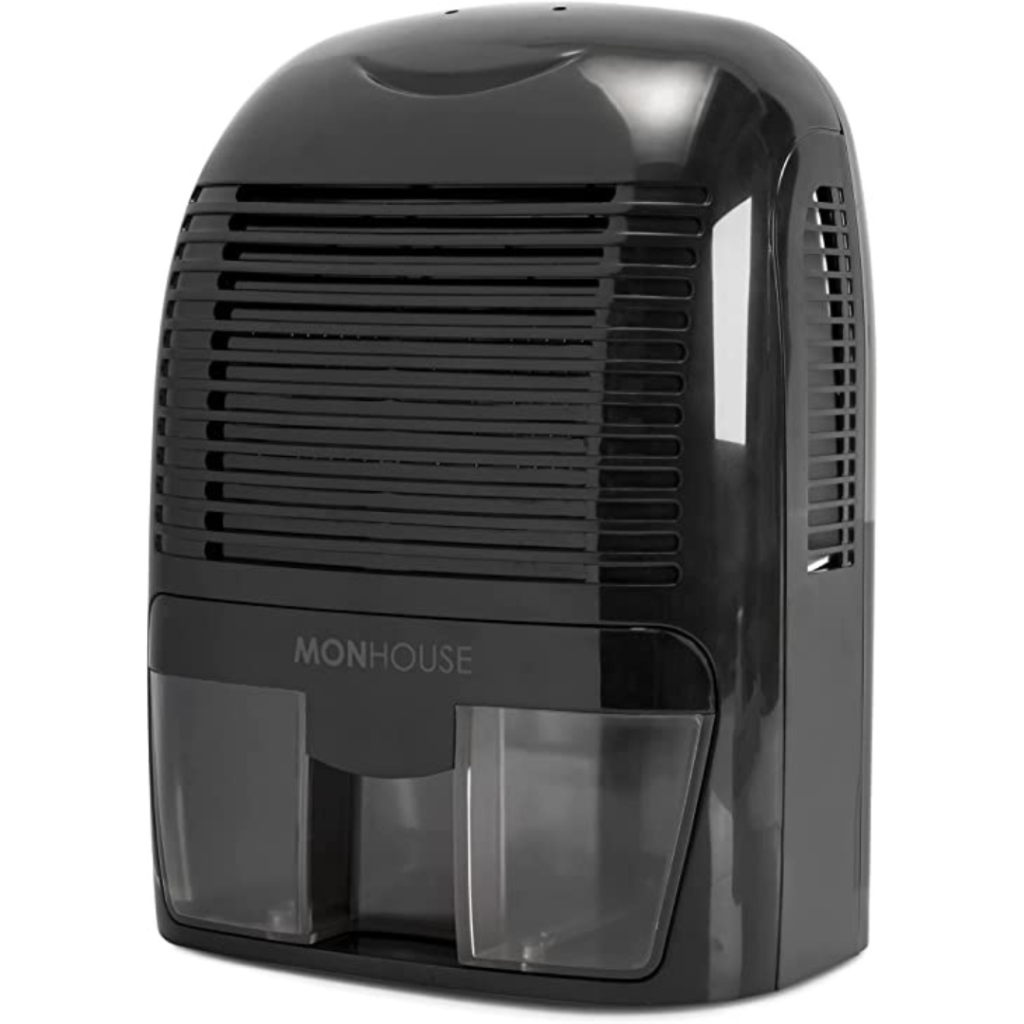
MONHOUSE Dehumidifier:

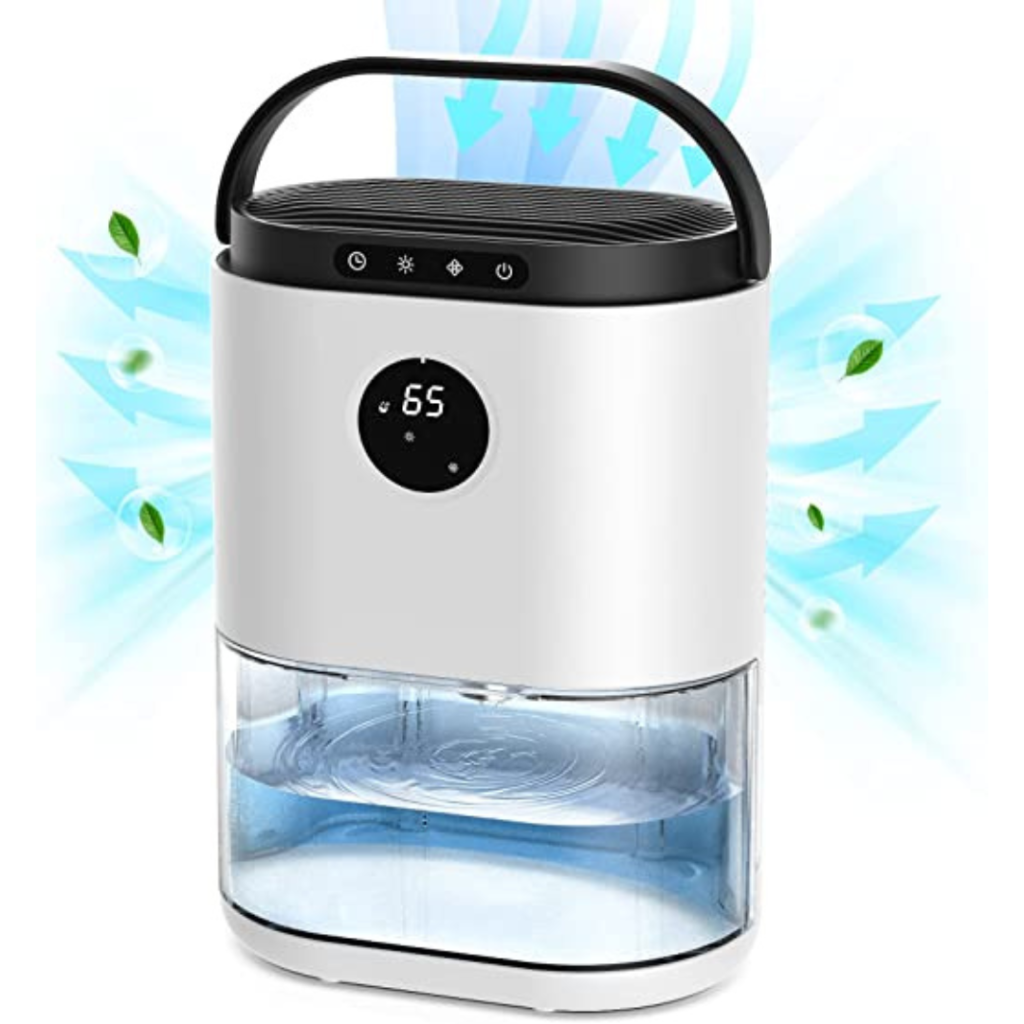
With its small size and portability, the MONHOUSE Dehumidifier effectively eliminates excess moisture in your home. Its 1500ml volume enables it to efficiently absorb moisture from the air, improving the comfort of the home. This dehumidifier performs effectively, yet it does so quietly, maintaining a calm environment in your room. It is practical to use in numerous locations of your home thanks to its portable design, which enables simple placement and mobility. With the MONHOUSE Dehumidifier, bid farewell to musty smells and welcome to a dryer, healthier living environment.

MAYHORY Mini Air Dehumidifier

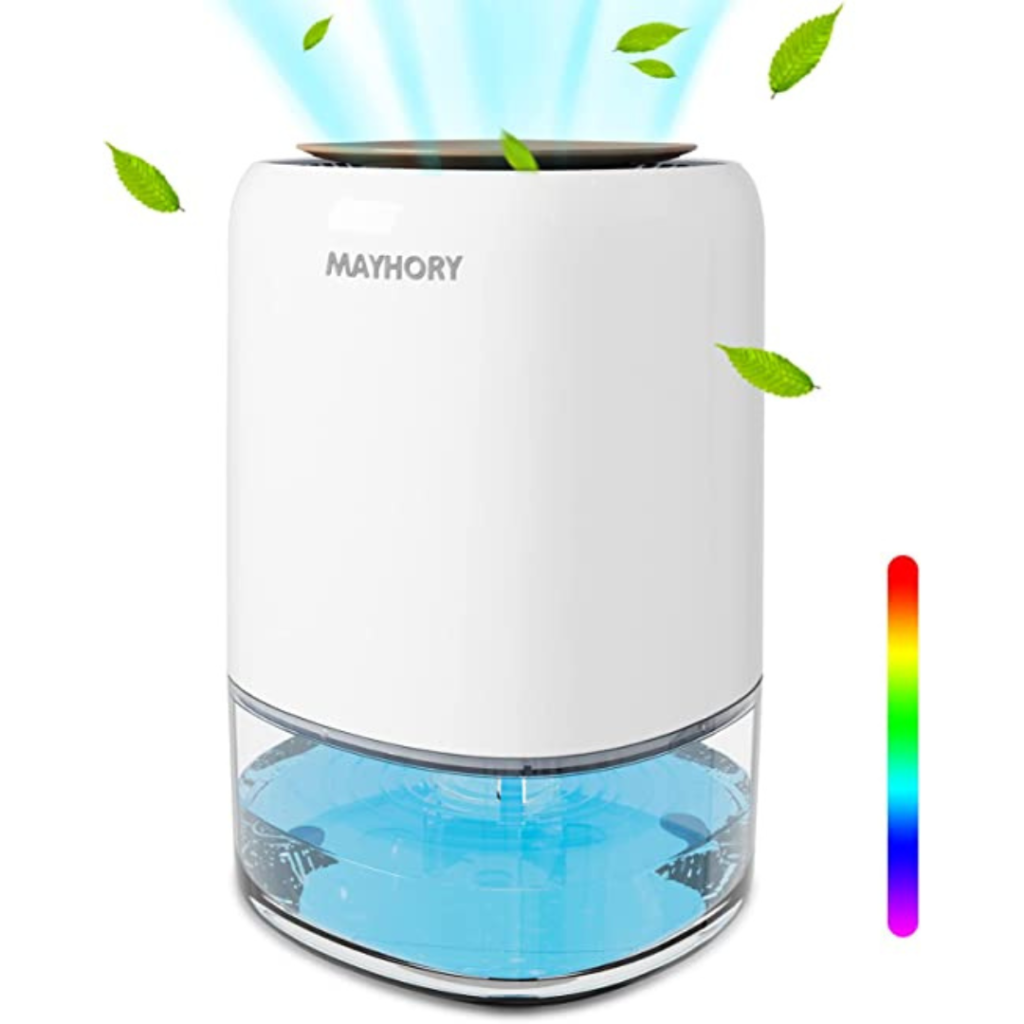
The MAYHORY 1400ml Dehumidifier is a compact yet effective way to keep your home’s humidity levels at their ideal levels. It effectively removes excess moisture from the air with its 1400ml capacity, avoiding problems like mildew and musty odors. This dehumidifier has an auto shut-off feature that switches it off when the water tank fills to its maximum capacity, ensuring safety and peace of mind. Because of its small size and sleek style, it can be easily placed in any space and complements your home’s decor beautifully.

CONOPU Dehumidifier:

The CONOPU Dehumidifier is a trusted and efficient option for keeping your home’s humidity levels at their ideal levels. It can efficiently remove extra moisture from the air, preventing problems like mold growth and musty odors, thanks to its enormous 2300ml capacity. You may adjust the dehumidifier’s settings and controls to suit your preferences thanks to its user-friendliness. It fits perfectly in any space in your house thanks to its modern style and small size.

Dehumidifiers work their magic by eliminating additional moisture from the air to reduce humidity levels. Let’s take a more detailed look at how they work:

Air Circulation: Imagine a dehumidifier as a helpful ally that draws air from its surroundings. This is known as air circulation. It takes in air with the aid of a fan, prepared to do its magic. In order to perform its magic, it draws in the air using a fan.

Air Reheating: The air is given a warm and welcoming treatment before saying goodbye to the dehumidifier. In order to prevent the air from becoming too cool when it is returned to the room, the dehumidifier gently reheats it. In this manner, the temperature stays good and you can take pleasure in a pleasant setting without being cold.

Cooling Coils: Cooling coils inside the dehumidifier act almost like a cool breeze on a hot day as they come into contact with the air. As a result of the cooling effect of these coils, the moisture in the air condenses into water droplets. On a chilly surface, it is similar to dew developing.

Collection and Drainage: The moisture requires a location to congregate now that it has condensed. This is where the dehumidifier’s collection tray or bucket comes in handy. Here, the water droplets gather and are awaiting evaporation. Some dehumidifiers include ingenious gravity-based drainage systems or built-in pumps that automate and simplify the process.

Instagram